
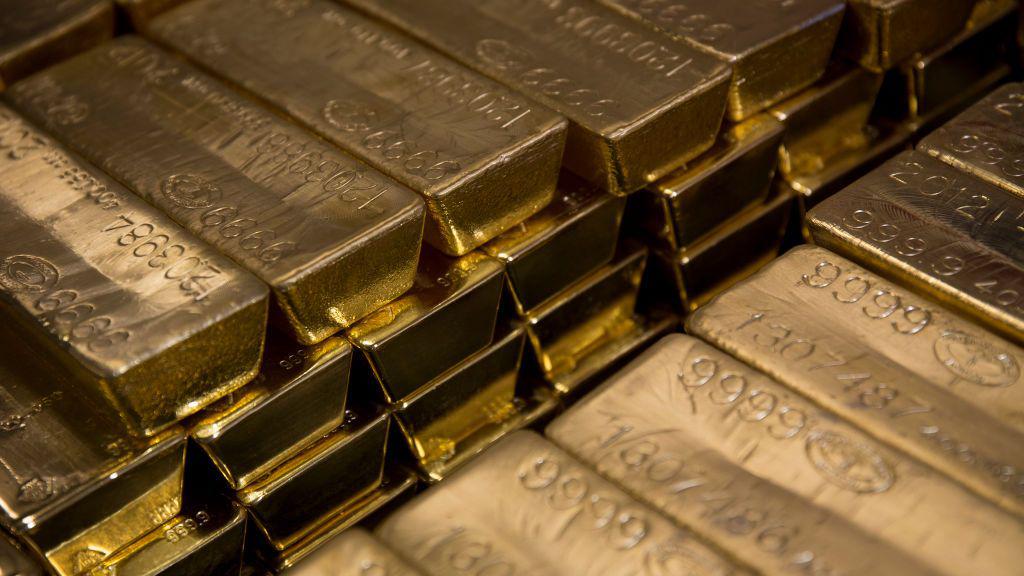
Gold assaying is the process of determining the gold content and purity of a material through recognised analytical methods. It plays an important role in the gold mining, refining, trading, and precious metals industries by helping establish the composition and quality of gold-bearing materials.
At Cubo Gold Mines, we recognise the importance of accurate gold analysis in supporting informed commercial decisions and responsible precious metals transactions. Gold assaying provides valuable information about the proportion of gold present in a sample, helping buyers, sellers, miners, and refiners better understand the material they are handling.
Whether the material consists of mined ore, gold concentrate, doré bars, or refined bullion, the appropriate testing method depends on the sample’s composition, form, and intended purpose.
What Is Gold Assaying?
Gold assaying is a laboratory-based analytical process used to measure the concentration of gold in a sample. Depending on the material and the required level of accuracy, laboratories may use techniques such as fire assay, X-ray fluorescence (XRF), or other validated analytical methods.
The results can help establish gold content, estimate purity, and support decisions relating to refining, valuation, quality control, and commercial transactions.
Gold purity is commonly expressed in karats or fineness:
- 24-karat gold: Represents gold of very high purity, although commercial products may contain small amounts of other elements.
- 22-karat gold: Contains approximately 91.67% gold by mass.
- 18-karat gold: Contains 75% gold by mass.
- 14-karat gold: Contains approximately 58.33% gold by mass.
- 999 fineness: Represents 99.9% gold by mass.
- 995 fineness: Represents 99.5% gold by mass.
Actual gold content should be established through suitable testing rather than appearance or a visual inspection alone.
Why Is Gold Assaying Important?
Gold assaying is essential for establishing the composition of gold-bearing materials and supporting transparent commercial practices throughout the precious metals supply chain.
- Determining Gold Purity: Assaying helps determine the proportion of gold present in a sample. This is particularly important when evaluating gold bars, doré, jewellery, concentrates, and other gold-bearing materials.
- Supporting Accurate Valuation: Gold content is a key factor in determining the intrinsic metal value of a gold-bearing product. When combined with the relevant gold price, material weight, applicable deductions, and refining charges, assay results can help inform commercial valuation.
- Supporting Gold Trading Transactions: In gold trading, reliable analytical results help buyers and sellers establish a common understanding of product specifications. Depending on the transaction, assay documentation may form part of the supporting records used during negotiations and settlement.
- Quality Control in Refining: Refineries use analytical testing to assess incoming materials, monitor processing, and evaluate the composition of recovered metals. Appropriate testing helps support consistent quality standards and process control.
- Improving Transparency and Confidence: Independent testing by a suitably qualified laboratory can provide an additional level of assurance to parties involved in a gold transaction. The value of the results depends on appropriate sampling, validated analytical procedures, and the credibility of the laboratory issuing the report.
Common Gold Assaying Methods
Different analytical techniques are suitable for different types of gold-bearing materials. Selecting the right method depends on the sample, the required accuracy, and the purpose of the analysis.
- Fire Assay: Fire assay is a widely recognised method for determining gold content in suitable samples. It involves carefully preparing a representative sample and using high-temperature processing to separate and measure the precious metal. Common applications: Gold ores, concentrates, and other suitable gold-bearing materials.
- X-Ray Fluorescence (XRF): XRF analysis uses X-rays to identify and estimate the elemental composition of a material. It can provide rapid, often non-destructive measurements, making it useful for screening and evaluating many metallic samples. Common applications: Preliminary gold composition checks, jewellery, and suitable metallic products. Results can be affected by surface condition, sample geometry, and material composition, so XRF may not replace a laboratory fire assay when a definitive result is required.
- Instrumental Laboratory Analysis: Techniques such as inductively coupled plasma optical emission spectroscopy (ICP-OES) or mass spectrometry (ICP-MS) can be used in suitable laboratories to analyze elements in prepared samples. Common applications: Detailed elemental analysis, trace-element determination, and specialized precious metals testing.
The Gold Assaying Process
Although procedures vary according to the material and analytical method, a typical gold assaying workflow includes several important stages.
- Sample collection and identificationA sample is collected and labelled appropriately. Representative sampling is particularly important because gold can be unevenly distributed within ores, concentrates, and some other materials.
- Sample preparationThe sample may be dried, crushed, pulverised, homogenised, or otherwise prepared according to the selected method and laboratory procedures.
- Laboratory analysisThe prepared sample is tested using an appropriate analytical technique, such as fire assay or instrumental analysis.
- Result calculation and reviewThe laboratory calculates the measured gold content and reviews the results according to its quality-control procedures.
- Issuing the assay reportThe results are documented in a report that may include sample identification, the analytical method, reported gold content, units of measurement, and relevant qualifications.
Understanding a Gold Assay Report
A gold assay report records analytical findings and helps the relevant parties interpret the composition of the tested sample. Depending on the laboratory and the scope of testing, the report may contain the following information:
- Sample identification: A unique reference used to identify the tested material.
- Analytical method: The procedure used to determine gold content.
- Gold concentration or purity: The measured gold content, expressed as a percentage, parts per million, grams per tonne, or another appropriate unit.
- Other precious metals: Results for silver, platinum, palladium, or other elements where these were included in the analysis.
- Reporting date: The date on which the results were issued.
- Laboratory details: Information identifying the laboratory responsible for the analysis.
An assay report should be interpreted in the context of the sample tested. A result for one sample does not automatically establish the composition of an entire consignment unless the sampling procedure adequately represents that consignment.
Gold Assaying for Mining, Refining, and Trading
Gold assaying supports different activities across the precious metals industry.
Gold mining: Assay results help assess gold grades in geological samples, exploration materials, and processed ore. Results can contribute to resource evaluation and decisions about mining and processing.
Gold refining: Testing helps refineries determine the composition of incoming material and evaluate recovered precious metals during or after processing.
Gold trading: Assay documentation can help parties evaluate material specifications and support agreed commercial procedures. The parties should establish how samples are collected, which laboratory is acceptable, and how any differences in results will be resolved.
Gold exports: Depending on the relevant jurisdiction and transaction, assay results may support product documentation and customs or regulatory procedures. Assay reports alone do not replace export permits, origin documentation, or other legally required records.
Responsible Gold Testing and Verification
Reliable gold testing depends on more than the analytical instrument. Proper sample identification, representative sampling, suitable laboratory methods, equipment calibration, and quality-control procedures all contribute to the reliability of the result.
For commercially significant transactions, parties may wish to use an independent laboratory with appropriate technical competence and accreditation for the specific test being performed.
It is also important to distinguish between an assay report, a certificate of origin, proof of ownership, and evidence of regulatory compliance. These documents serve different purposes, and none should automatically be treated as a substitute for the others.
Cubo Gold Mines recognises the importance of accurate information and appropriate verification when evaluating opportunities in the gold and precious metals industry.
Discuss Your Gold Assaying Requirements
Whether you are involved in gold mining, refining, supply, or trading, understanding the composition of gold-bearing materials is an important part of making informed decisions.
Contact Cubo Gold Mines to discuss your inquiry and determine the appropriate next steps for your requirements.