
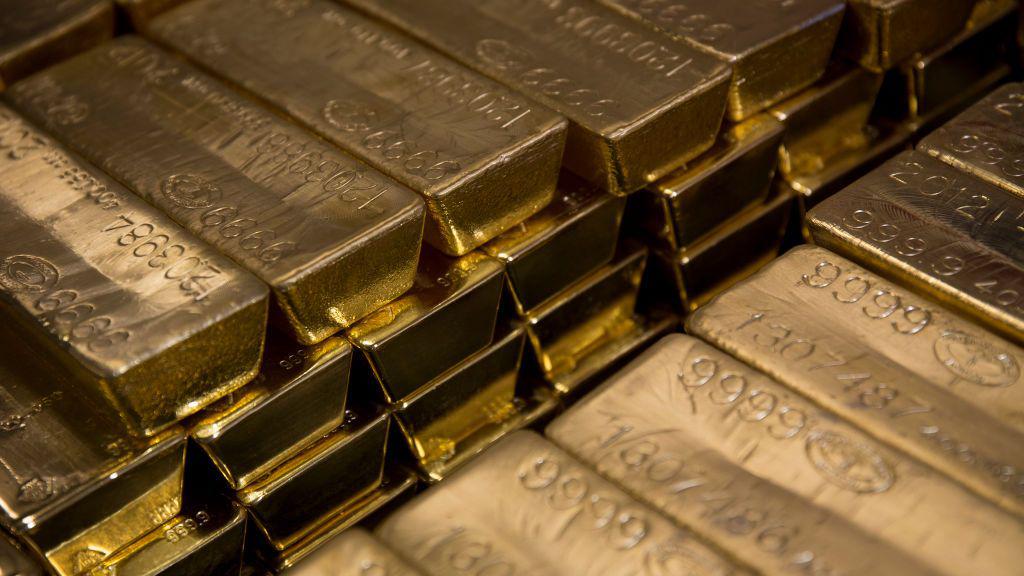
Gold refining is an essential process in the precious metals industry, involving the separation of gold from impurities and other metals to achieve a specified level of purity. It plays a significant role in transforming mined gold, doré bars, and other gold-bearing materials into refined products suitable for further commercial use.
At Cubo Gold Mines, we recognise the importance of gold quality, reliable analytical testing, and appropriate processing procedures throughout the precious metals supply chain. Understanding gold refining enables buyers, suppliers, miners, and other industry participants to make better-informed decisions about the quality and suitability of gold-bearing materials.
The refining process varies depending on the composition of the material, its initial gold content, the desired final purity, and the applicable technical and regulatory requirements.
What Is Gold Refining?
Gold refining is the process of purifying gold by removing unwanted metals and other impurities from gold-bearing material. Depending on its composition and intended use, the material may undergo several stages of preparation, melting, chemical treatment, electrochemical processing, and final quality verification.
Gold obtained from mining operations is not always pure. It may contain silver, copper, iron, and other elements, depending on the deposit and the processing method used. Refining helps separate these substances to produce gold that meets defined purity specifications.
The final product may be measured using fineness or percentage purity. For example:
- 999.9 fine gold: Contains approximately 99.99% gold by mass.
- 999 fine gold: Contains approximately 99.9% gold by mass.
- 995 fine gold: Contains approximately 99.5% gold by mass.
- 916.7 fine gold: Contains approximately 91.67% gold by mass, commonly associated with 22-karat gold.
The purity achieved depends on the refining process, the composition of the feed material, and the quality-control procedures applied.
Why Is Gold Refining Important?
Gold refining supports the production of consistent, marketable precious metals and helps establish confidence in the quality of refined gold.
- Improving Gold Purity: One of the primary objectives of refining is to remove unwanted elements and increase the concentration of gold. This helps produce material that meets the purity specifications required for particular applications or commercial agreements.
- Supporting Gold Valuation: The quantity of fine gold contained in a product is an important factor in determining its intrinsic metal value. Refining, weighing, and appropriate analytical testing help establish product specifications that can support commercial valuation.
- Preparing Gold for Commercial Markets: Different markets and applications require gold products with particular specifications. Refining helps produce material suitable for applications such as bullion manufacturing, jewellery production, and certain industrial uses.
- Recovering Valuable Precious Metals: Gold-bearing materials may contain silver and other economically valuable elements. Depending on the feed material and processing arrangements, refining operations can recover additional precious metals rather than treating them solely as impurities.
- Supporting Quality Assurance: Appropriate sampling, laboratory analysis, and documentation help verify whether refined material meets its stated specifications. Independent verification can be particularly valuable when multiple parties are involved in a transaction.
Common Gold Refining Methods
Gold refineries use different methods depending on the material being processed, the required purity, the scale of operations, and technical considerations.
- Fire-Based Processing: High-temperature processing is used in several stages of precious metals production. Melting can homogenize suitable materials, while fire assay can determine gold content in appropriately prepared samples. It is important to distinguish these processes: melting alone does not necessarily purify gold, and fire assay is primarily an analytical technique rather than a complete commercial refining process.
- Chemical Refining: Chemical refining uses carefully controlled chemical processes to separate gold from other constituents. The choice of process depends on the material’s composition, the desired purity, and the refinery’s technical capabilities. These operations require suitable equipment, trained personnel, controlled handling procedures, and appropriate environmental and occupational safety measures.
- Electrolytic Refining: Electrolytic refining uses an electrochemical process to separate gold from other elements. Under appropriate operating conditions, it can produce high-purity gold and is used in specialized precious metals refining operations. The suitability of this method depends on the material being treated and the refinery’s process design.
- Final Purity Testing: After refining, representative samples can be analyzed to determine the gold content and confirm whether the product meets the agreed specification. Depending on the product and testing requirements, laboratories may use fire assay or suitable instrumental analytical techniques. The testing method should be appropriate for the material and the level of accuracy required.
The Gold Refining Process: From Raw Material to Refined Gold
Although procedures vary between facilities, gold refining generally involves several stages.
- Material assessment and documentation: The refinery identifies the incoming material, reviews relevant documentation, and assesses its composition and suitability for processing.
- Sampling and preliminary analysis: Representative samples are collected and analysed to estimate gold content and identify other significant constituents. Sampling quality is important because the results must accurately reflect the material being evaluated.
- Preparation and processing: Depending on the feed material, the refinery may use mechanical preparation, melting, chemical separation, electrochemical treatment, or a combination of appropriate methods.
- Separation and recovery: Gold is separated from unwanted constituents, while other recoverable precious metals may be collected where the process permits.
- Casting and product preparation: The recovered gold may be cast into bars or prepared in another suitable form according to the intended product specifications.
- Final analysis and documentation: The finished material is weighed and tested as required. Relevant records may document the final weight, measured purity, processing results, and product identification.
Gold Refining and Gold Assaying: What Is the Difference?
Gold refining and gold assaying are related but distinct processes.
| Gold refining | Gold assaying |
|---|---|
| Purifies gold-bearing material. | Measures the gold content of a sample. |
| Separates gold from other constituents. | Establishes analytical results for composition or purity. |
| Produces material that may meet a specified purity level. | Produces test results or an assay report. |
| Involves physical, chemical, or electrochemical processing. | Involves sampling, preparation, and analytical testing. |
Assaying is important before and after refining because it helps assess the incoming material and verify the composition of the resulting product. However, the reliability of the findings depends on the sampling procedure, analytical method, and laboratory quality controls.
Understanding Refined Gold Purity
Refined gold is commonly described using fineness, which expresses the number of parts of gold per thousand parts of material, or as a percentage.
For example, gold with a fineness of 999 contains approximately 999 parts of gold per 1,000 parts by mass, equivalent to 99.9% purity.
A product’s stated purity should be supported by appropriate testing and documentation. Buyers should also distinguish between the purity of a tested sample and the verified composition of an entire consignment.
When purchasing refined gold, relevant considerations include:
- The stated purity and applicable product specification.
- The weight and identification of the material.
- The analytical method and supporting assay documentation.
- The identity and technical competence of the testing laboratory.
- The agreed procedures for inspection, verification, and settlement.
These considerations help buyers and sellers establish clear expectations and reduce avoidable misunderstandings.
Responsible Gold Refining and Supply Chain Due Diligence
Responsible participation in the precious metals industry involves more than producing gold of a specified purity. It also requires attention to the origin of the material, ownership documentation, applicable legal requirements, and the potential environmental and social impacts of the supply chain.
Depending on the material and jurisdiction, relevant considerations may include:
- Supplier identification and appropriate due diligence.
- Documentation supporting the declared origin and ownership of the gold.
- Compliance with applicable mining, trading, refining, and export requirements.
- Appropriate handling and management of chemicals and processing waste.
- Occupational health and safety procedures.
- Traceability and recordkeeping throughout the relevant supply chain.
These practices can help businesses identify risks, strengthen accountability, and develop more reliable commercial relationships.
Gold Refining for Mining, Trading, and Manufacturing
Gold refining serves several important sectors within the precious metals industry.
Gold mining: Refining can transform recovered gold-bearing material into higher-purity products and help recover valuable metals from suitable feedstock.
Gold trading: Refining and subsequent verification can establish product specifications that support transactions between suppliers, buyers, and other authorised parties.
Jewellery manufacturing: Refined gold provides a material for producing jewellery and gold alloys with defined compositions.
Bullion production: Suitable refined gold can be manufactured into bars and other products that meet the specifications of the intended market.
Industrial applications: High-purity gold is used in certain electronic, scientific, and specialised manufacturing applications where its material properties are valuable.
The appropriate refining process and final product specification depend on the requirements of each application.
Discuss Your Gold Refining Requirements With Cubo Gold Mines
Understanding the gold refining process is an important step in evaluating precious metals, verifying quality, and planning commercial transactions.
Cubo Gold Mines welcomes inquiries from prospective buyers, suppliers, and business partners interested in gold and precious metals opportunities. Contact our team to discuss your requirements and explore the appropriate next steps for your inquiry.