
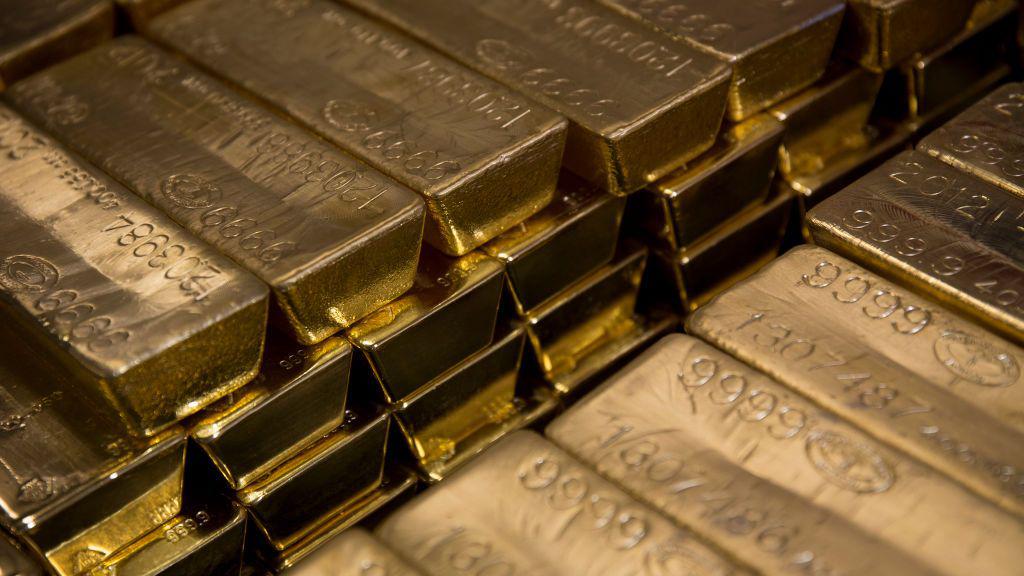
Gold smelting is an important process in the precious metals industry that uses high temperatures to melt gold-bearing materials and, in suitable processes, separate valuable metals from unwanted components. It is used in various stages of gold production, from processing certain mineral concentrates to preparing metal for subsequent refining.
At Cubo Gold Mines, we recognise the importance of understanding gold processing methods, material composition, and quality verification throughout the precious metals supply chain. Gold smelting can help transform suitable gold-bearing feedstock into a more concentrated metallic product for further treatment, assessment, or refining.
The appropriate smelting method depends on the material’s composition, the desired output, the processing equipment available, and the environmental and safety requirements of the operation.
What Is Gold Smelting?
Gold smelting is a high-temperature process used to melt gold-bearing material. Depending on the feedstock and process design, smelting may also involve fluxes and other controlled conditions that help collect valuable metals into a molten phase while separating some unwanted constituents into slag.
The resulting metallic material may contain gold alongside silver, copper, and other elements. In many mining and processing operations, this intermediate product is known as doré, which is subsequently assessed and refined to achieve the required purity.
It is important to understand that melting gold does not automatically make it pure. The actual composition of the output depends on the original material and the separation processes used. Further refining and analytical testing may therefore be necessary before the product meets a specified commercial standard.
Why Is Gold Smelting Important?
Gold smelting plays a significant role in preparing suitable gold-bearing materials for downstream processing and precious metals recovery.
- Processing Gold-Bearing Materials: Certain mineral concentrates and other gold-bearing materials can be processed through smelting to recover valuable metals into a metallic phase. The suitability of the process depends on the feed material’s composition and the characteristics of the operation.
- Producing Gold Doré: Some gold production operations use smelting to produce doré bars containing gold and varying quantities of silver and other metals. These bars typically require further analysis and refining before their final purity is established.
- Supporting Precious Metals Recovery: Depending on the process, smelting can assist in collecting gold and other valuable metals from suitable feedstock. Effective recovery depends on appropriate process design, material characteristics, and operational controls.
- Preparing Material for Refining: Smelting can produce an intermediate metallic material that is easier to handle, sample, assess, and send for subsequent refining. However, the need for further treatment depends on the product’s actual composition and intended use.
- Supporting Quality Assessment: Representative sampling and appropriate analytical testing help establish the composition of the material produced. These results can support process evaluation, product documentation, and commercial decisions.
How the Gold Smelting Process Works
Gold smelting procedures differ according to the type of material being processed and the facility’s equipment. A typical industrial workflow may include the following stages.
- Material assessment: The gold-bearing feedstock is identified and assessed to understand its composition, moisture content, and suitability for the intended processing route.
- Sampling and analysis: Representative samples may be analyzed to estimate gold content and identify other significant elements. Reliable sampling is essential for interpreting the results accurately.
- Feed preparation: Where required, the material is prepared according to the facility’s operating procedures and the selected smelting method.
- High-temperature processing: Suitable material is processed under controlled conditions in specialized equipment. Depending on the feedstock and process design, valuable metals may collect in a molten metallic phase while some unwanted components enter a separate slag phase.
- Separation and casting: The metallic product and slag are handled according to the process design. The recovered metal may be cast into an intermediate product, such as a doré bar, where appropriate.
- Product assessment: The resulting material can be weighed, sampled, and analyzed to establish its composition and determine whether additional refining is required.
Industrial smelting requires suitable furnaces, trained operators, controlled working conditions, and appropriate measures for managing heat, fumes, dust, and process waste.
Common Types of Gold Smelting Applications
The term gold smelting can describe several applications across the mining and precious metals industries.
- Gold Ore and Concentrate Processing: Certain gold-bearing concentrates may be treated through specialized smelting operations as part of a broader metallurgical process. The appropriate route depends on the mineralogy, gold grade, associated metals, and processing objectives. Not all gold ores are suitable for direct smelting. Many require crushing, grinding, gravity concentration, leaching, or other processing methods before further treatment.
- Gold Doré Production: Gold doré is an intermediate alloy produced by some mining and recovery operations. It generally contains gold and silver, along with potentially other metals. Its final purity must be determined through appropriate analysis and, where necessary, further refining.
- Re-Melting Gold: Gold that has already been recovered or refined may be melted for casting, consolidation, or preparation into a different product form. Re-melting changes the physical form of the metal but does not necessarily remove impurities.
- Precious Metals Recovery: Some industrial processes use smelting to recover valuable metals from suitable secondary materials or concentrates. The feasibility and recovery performance depend on the feedstock and the facility’s technical capabilities.
Gold Smelting vs Gold Refining
Gold smelting and gold refining are related processes, but they serve different purposes.
| Gold smelting | Gold refining |
|---|---|
| Uses high temperatures to melt suitable gold-bearing materials. | Separates gold from other metals and impurities to increase purity. |
| May produce an intermediate product such as doré. | Produces gold that meets a specified purity level. |
| Can help collect valuable metals into a metallic phase. | Uses appropriate separation processes to purify the metal. |
| Does not necessarily produce high-purity gold. | Is followed by appropriate verification to establish final composition. |
A typical production chain may involve mineral processing, smelting, refining, and final quality verification. However, the exact sequence depends on the type of material and the technology used.
For more information about purity measurement, visit the Gold Assaying page. To learn about purification, explore the Gold Refining page.
Gold Smelting and Gold Quality Verification
Testing and documentation are important throughout gold processing. The composition of a smelted product cannot be established reliably from its appearance, colour, or weight alone.
Appropriate quality-assurance measures may include:
- Representative sampling of the material.
- Laboratory analysis using a method suitable for the sample.
- Recording the weight and identification of the resulting product.
- Documenting relevant processing and analytical results.
- Conducting further refining where required to meet the agreed specification.
The reliability of the final result depends on the sampling procedure, the analytical method, and the competence of the laboratory performing the analysis.
An assay report describes the tested sample; it does not automatically establish the composition of an entire batch unless the sampling process adequately represents that batch.
Safety and Environmental Considerations in Gold Smelting
Gold smelting involves high temperatures and may expose workers to hazardous fumes, dust, molten metal, and chemicals, depending on the process. Industrial operations therefore require appropriate engineering controls, protective equipment, trained personnel, and established safety procedures.
Environmental management is also important. Depending on the feedstock and processing method, facilities may need to control airborne emissions, manage slag and other residues, and handle hazardous substances in accordance with applicable requirements.
Responsible operations should comply with the relevant occupational safety, environmental, and precious metals regulations in their jurisdiction.
Gold Smelting Within the Precious Metals Supply Chain
Gold smelting is one part of a broader process that connects mineral production and gold recovery with refining, verification, and commercial distribution.
Mining operators, processors, refiners, traders, and manufacturers may each play different roles in this supply chain. Clear product specifications, reliable documentation, appropriate testing, and compliance with applicable legal requirements help support transparent commercial relationships.
Understanding where smelting fits into the overall process helps businesses identify the appropriate processing route and determine which additional testing or refining steps may be needed.
Discuss Gold Processing Opportunities With Cubo Gold Mines
Whether you are researching gold smelting, evaluating gold-bearing materials, or exploring opportunities within the precious metals industry, understanding the processing requirements is an important starting point.
Cubo Gold Mines welcomes inquiries from prospective buyers, suppliers, and business partners interested in gold and precious metals. Contact our team to discuss your requirements and explore suitable opportunities for engagement.