
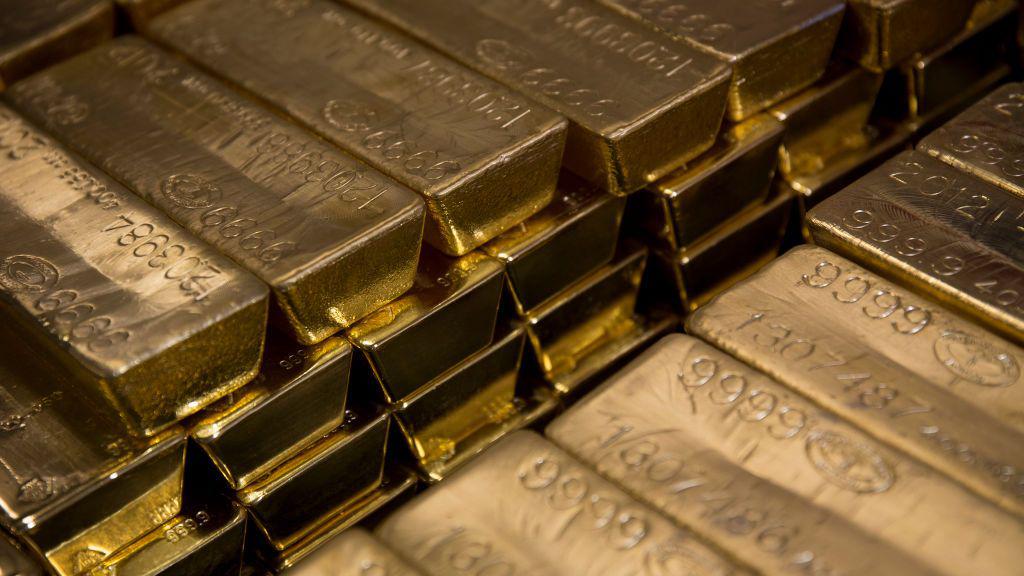
Africa is one of the world’s important gold-producing regions, offering opportunities for international buyers, bullion traders, refineries, and precious metals investors. For businesses looking to buy gold from Africa, understanding gold purity, supplier verification, export regulations, and transaction procedures is essential for a secure and transparent purchasing process.
Cubo Gold Mines aims to connect interested buyers with gold trading opportunities while emphasizing professionalism, responsible sourcing, and compliance with applicable trade requirements.
Understanding 23-Karat Gold
23-karat gold is a high-purity form of gold containing approximately 95.83% pure gold, with the remaining percentage consisting of other metals. It is commonly associated with gold bars, doré gold, and other forms of gold bullion, although the actual purity of any consignment must be established through appropriate testing.
Before purchasing gold, buyers should understand the difference between karat and fineness. Pure 24-karat gold is theoretically 99.99% pure when expressed as 999.9 fineness, while 23-karat gold contains approximately 958.3 parts of gold per thousand.
Independent testing and verification are important because the actual gold content may differ from a seller’s stated purity.
Why Buy Gold From Africa?
Africa has a long history of gold production and trade, with several countries contributing to the international gold supply. Buyers may explore opportunities across established gold-producing markets, depending on local laws, supplier credentials, and export requirements.
Some potential advantages of sourcing gold from African markets include:
- Access to gold-producing regions: Buyers can explore sourcing opportunities in countries with established mining and gold-trading industries.
- Different purchasing opportunities: Available products may include doré gold, refined bullion, and other forms of gold, subject to supplier capacity and applicable regulations.
- Business partnerships: International buyers may establish long-term relationships with legitimate mining companies, licensed exporters, and authorized gold dealers.
- Refinery access: Depending on the transaction, buyers may arrange independent assay testing and refining through an appropriately licensed refinery.
Successful gold sourcing requires more than identifying a competitive price. Buyers should verify the seller, confirm the origin of the gold, and establish a clear procedure for inspection, payment, transportation, and export.
Where Can You Buy Gold in Africa?
Several African countries have established gold-mining and trading sectors. However, the availability of gold, supplier qualifications, and procedures for purchasing and exporting it vary by jurisdiction.
- Buying Gold From Uganda: Uganda has a gold trading sector that serves domestic and international markets. Buyers considering Uganda should verify the supplier’s legal status, applicable mineral trading and export licenses, gold origin documentation, and the requirements of the relevant authorities. Before committing funds, international buyers should establish whether the supplier is authorized to sell and export the specific gold consignment and whether the proposed transaction meets Ugandan law and the import requirements of the destination country.
- Buying Gold From Ghana: Ghana is a major gold-producing country in West Africa. Buyers interested in Ghanaian gold should conduct due diligence on the supplier and verify all required licenses, export authorizations, origin records, and official documentation. Transactions should be conducted through legally authorized channels, with independent verification of the gold’s weight and purity.
- Buying Gold From Tanzania: Tanzania has an established mining industry, including gold production. International buyers should verify the seller’s credentials, the gold’s origin, and the relevant export and trade requirements before entering into a transaction.
- Buying Gold From Other African Markets: Gold sourcing opportunities may also exist in other African countries. Buyers should evaluate each opportunity individually, taking account of local regulations, supplier legitimacy, logistics, and the documentation required for lawful international trade.
How to Verify 23-Karat Gold Before Purchasing
Gold verification is a critical part of any precious metals transaction. A declaration that gold is 23 karats should not be treated as conclusive evidence of purity without appropriate testing.
Consider the following safeguards:
- Verify the supplier: Confirm the company’s registration, physical business address, relevant licences, and authority to conduct the proposed transaction.
- Request origin documentation: Review available records showing where the gold was mined, purchased, or otherwise lawfully acquired.
- Arrange independent testing: Use a qualified assayer or appropriately licensed refinery to determine the gold content. For material requiring precise valuation, an agreed sampling and assay procedure may be appropriate.
- Confirm the weight: Have the consignment weighed using suitable calibrated equipment, with the procedure documented and witnessed where appropriate.
- Review the commercial terms: Ensure that the contract clearly states the quantity, purity requirements, price calculation, payment terms, delivery arrangements, and procedures for resolving discrepancies.
- Conduct compliance checks: Complete appropriate identity verification, beneficial ownership checks, sanctions screening, and anti-money-laundering due diligence.
Buyers should avoid relying solely on photographs, certificates that cannot be independently authenticated, or claims made through messaging platforms.
Understanding the Price of 23-Karat Gold
The price of 23-karat gold depends primarily on the prevailing gold market price, the confirmed weight, the measured purity, and the commercial terms agreed between the parties.
Because 23-karat gold contains approximately 95.83% gold by mass, its indicative metal value can be estimated using the following formula:
Indicative gold value = Weight × Gold purity × Market price of pure gold per unit of weight
For example, if a consignment weighs 1 kilogram and is confirmed to contain 95.83% gold, it contains approximately 958.3 grams of pure gold, assuming the assay result accurately reflects the material.
The final purchase price may differ from this indicative metal value because of refining costs, applicable taxes and royalties, transportation, insurance, export charges, and the agreed commercial margin.
Buyers should obtain a written quotation and confirm which costs are included before proceeding. Current market prices should be checked at the time of the transaction.
Gold Export Requirements and International Shipping
Exporting gold from an African country involves legal, regulatory, and logistical requirements that depend on the country of origin and the destination.
Before arranging shipment, buyers and sellers should establish which export permits, customs declarations, tax or royalty payments, origin documents, assay reports, and other records are required.
International gold shipments may also require specialized secure transportation, appropriate insurance, customs clearance, and compliance with the destination country’s import regulations.
The parties should agree in writing on who is responsible for each stage of the shipment, including export clearance, transportation, insurance, import clearance, and delivery.
Where international commercial terms such as CIF are used, the parties should identify the applicable Incoterms rule and named destination. CIF is generally intended for sea and inland-waterway transport and should not automatically be used for air freight or other transport arrangements.
How to Choose a Reliable African Gold Supplier
Choosing the right supplier is essential for managing financial, legal, and operational risks. International buyers should evaluate potential suppliers carefully before signing a contract or transferring funds.
A reliable supplier should be able to demonstrate the following:
- Valid business registration and applicable licences.
- Verifiable authority to sell and export the gold offered.
- Credible documentation supporting the gold’s origin.
- Willingness to facilitate appropriate independent inspection and assay testing.
- Clear, consistent pricing and written contractual terms.
- Transparent payment, delivery, and dispute-resolution procedures.
- Compliance with relevant anti-money-laundering and responsible-sourcing requirements.
Buyers should also independently verify bank account details and ensure that payments are made to the correct contractual counterparty. Requests for unusual advance payments, inconsistent documentation, or refusal to permit reasonable verification should be treated as warning signs.
Why Consider Cubo Gold Mines?
Cubo Gold Mines is building its online presence to connect with people and businesses interested in gold sourcing, precious metals trading, and related commercial opportunities.
For prospective buyers, the appropriate starting point is to communicate their required quantity, preferred gold form, purity specifications, destination country, and verification requirements. These details help establish whether a proposed transaction is commercially and legally feasible.
Any specific claims about available stock, licensing, refining facilities, export capabilities, or delivery destinations should be confirmed directly with Cubo Gold Mines before a transaction is agreed.
Frequently Asked Questions About Buying 23-Karat Gold From Africa
- Is 23-karat gold real gold? Yes. 23-karat gold contains approximately 95.83% gold by mass. Its actual purity should be confirmed through suitable testing before purchase.
- How much pure gold is in 1 kilogram of 23-karat gold? At a purity of 95.83%, one kilogram contains approximately 958.3 grams of gold, with the balance consisting of other materials or metals.
- Can international buyers purchase gold from Africa? Yes, subject to the laws of the country of origin and the destination country’s import requirements. Buyers should verify the supplier, relevant licences, origin documentation, and export permissions before proceeding.
- What documents should I request before buying gold? Depending on the transaction and jurisdiction, relevant documents may include company registration records, applicable trading and export licences, origin documentation, assay reports, invoices, contracts, customs declarations, and transport documents.
- Should I pay before inspecting the gold? Buyers should establish a secure, documented transaction procedure before making payment. Where feasible, independent inspection, assay testing, identity verification, and confirmation of the seller’s authority should take place before funds are released, or through an agreed secure settlement mechanism.
- How do I calculate the value of 23-karat gold? Multiply the net weight by the confirmed gold purity and the applicable market price of pure gold. Then account for any refining costs, taxes, royalties, logistics charges, and other contractual adjustments.
Contact Cubo Gold Mines
If you are exploring opportunities to buy gold from Africa, start by defining your required quantity, gold purity, destination, and preferred verification arrangements.
Contact Cubo Gold Mines to discuss your enquiry and establish the documentation, commercial terms, and compliance requirements applicable to your proposed transaction.
Responsible sourcing, independent verification, and transparent contractual arrangements are essential foundations for international gold trading.
Leave a Reply