
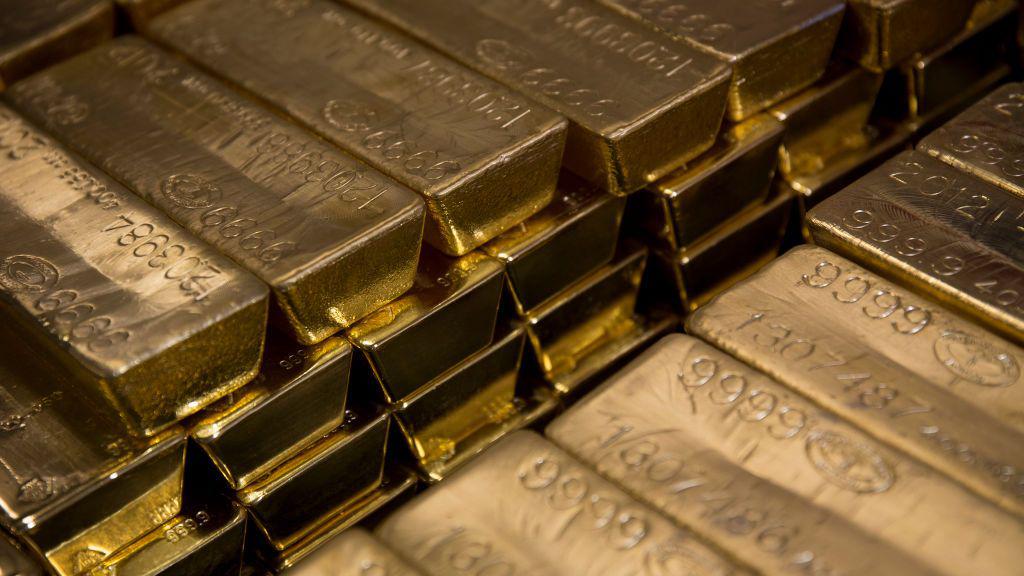
China is one of the world’s most significant gold markets, with a large jewellery industry, active investment demand, gold refining operations, and an established precious-metals trading infrastructure. For international buyers, China offers opportunities to research gold bullion, jewellery, gold coins, and products manufactured for the domestic and international markets.
However, buying gold from China requires a clear understanding of the country’s regulated gold trade. Domestic availability does not necessarily mean that a product can be exported freely, and different rules may apply to bullion, jewellery, gold doré, and manufactured gold products.
Whether you are considering a wholesale purchase, investment bullion, or gold jewellery, this guide explains how to assess suppliers, verify purity, understand China’s gold-trading framework, and prepare for an international transaction.
Understanding China’s Gold Market
China has a well-developed gold market supported by domestic mining, refining, jewellery manufacturing, investment demand, and regulated trading platforms.
The Shanghai Gold Exchange (SGE) is a central part of the country’s domestic gold-trading infrastructure. It provides a marketplace for eligible participants to trade gold under established exchange rules. The Shanghai Futures Exchange also operates gold futures contracts with defined quality and delivery specifications.
For international buyers, it is useful to distinguish between the main purchasing channels:
- Investment bullion: Gold bars and other products meeting the specifications of the relevant market or buyer.
- Gold jewellery: Finished products manufactured for domestic consumption or international sale.
- Gold coins: Products that may have investment, commemorative, or collectible value.
- Gold doré: Semi-refined material that requires further processing and verification of its fine-gold content.
- Manufactured gold products: Components, ornaments, and other products intended for jewellery businesses or industrial applications.
Each category has its own commercial considerations. A buyer seeking physical bullion for export should not assume that a jewellery manufacturer or domestic bullion dealer is automatically authorised to export it.
The Role of the Shanghai Gold Exchange
The Shanghai Gold Exchange is an important institution in China’s domestic gold market. It facilitates trading in eligible gold products under exchange rules and approved participation arrangements.
Standard gold bars traded in this market are subject to specified purity and weight requirements. Common recognised fineness specifications include 9999, 9995, 999, and 995, with eligible bar weights defined by the applicable market rules.
The exchange can be relevant to buyers researching Chinese gold prices and the domestic wholesale market. However, access to exchange trading, eligibility to participate, and physical delivery arrangements depend on the participant and product.
For general background, consult the Shanghai Gold Exchange’s official website. Buyers should verify the applicable rules directly before relying on a particular product or delivery arrangement.
Types of Gold Available in China
The appropriate product depends on whether the purchase is intended for investment, jewellery production, resale, refining, or another commercial purpose.
Gold bullion bars
Standardised bullion bars have a stated weight and fineness. Buyers should confirm the refiner, bar specifications, applicable market standards, and whether the seller can lawfully deliver the product to the intended destination.
Gold jewellery
China has a large jewellery-manufacturing sector offering different designs, gold-content specifications, and production methods. Jewellery prices can include workmanship, design, brand premiums, and other charges beyond the gold’s raw material value.
Gold coins
Gold coins may be valued according to their precious-metal content, issue, condition, collectability, and market demand. Their import and export treatment should be verified for the particular product.
Gold doré and unrefined material
Doré contains gold mixed with other metals and requires appropriate assay and refining procedures. Its purchase involves additional considerations concerning origin, processing, documentation, and eligibility for import or export.
Gold products for manufacturers
Jewellery makers and industrial users may purchase gold in forms suitable for fabrication. Specifications, permitted trade arrangements, and export eligibility should be confirmed before ordering.
Gold Purity and Quality Verification
Gold purity is one of the most important factors affecting the price and suitability of a purchase. The product’s actual fineness should be verified rather than inferred from its appearance, label, or seller’s description.
| Gold specification | Approximate gold content |
|---|---|
| 9999 fine | 99.99% |
| 9995 fine | 99.95% |
| 999 fine | 99.9% |
| 995 fine | 99.5% |
| 22 karat | 91.67% |
| 18 karat | 75.00% |
These figures describe nominal fineness. A product’s actual composition should be supported by suitable documentation and, when appropriate, independent testing.
Before accepting a significant commercial shipment, buyers should:
- Obtain the stated weight, fineness, and product description.
- Confirm the identity of the manufacturer, refinery, or assay provider.
- Verify that any assay report refers to the specific lot being purchased.
- Arrange independent testing when justified by the transaction’s value or risk.
- Agree on the weighing, sampling, testing, and discrepancy procedures.
- Record the accepted specifications in the purchase agreement.
For doré or other unrefined material, the parties should agree on how fine-gold content will be measured and how refining charges and other contractual deductions will affect settlement.
How to Verify a Chinese Gold Supplier
Supplier verification is essential when purchasing precious metals across borders. A supplier’s website, product photographs, company stamp, or certificate does not independently prove ownership of the gold or the right to export it.
Confirm the legal business identity. Obtain the supplier’s registered company name, business registration information, business address, and authorised representatives.
Establish the seller’s role. Determine whether the counterparty is a manufacturer, trader, refiner, intermediary, or agent. Confirm whether it is authorised to sell the particular product.
Verify ownership and availability. Request evidence that the seller owns the gold or has a valid mandate to sell it. Establish where the gold is held and how it can be inspected or released.
Check product specifications. Review the stated weight, fineness, manufacturer, bar identifiers where applicable, and assay or refining documentation.
Confirm export eligibility. Ask who will act as the legal exporter and which authorisations or permits apply to the proposed shipment.
Verify payment instructions. Confirm the beneficiary’s identity independently and ensure that the payment arrangement matches the signed contract.
Check the documentation with its issuer. Where possible, use independently sourced contact details to verify certificates, permits, and other important records.
A seller’s ability to provide an invoice does not automatically establish that the product is eligible for export. Export authorisation must be assessed separately.
China’s Gold Import and Export Regulations
China’s gold trade is subject to specific regulatory controls. The requirements differ according to whether the transaction involves standard bullion, non-standard gold, doré, jewellery, coins, or other gold products.
The People’s Bank of China (PBOC) and the General Administration of Customs play important roles in the regulation of gold and gold-product imports and exports. Under the applicable framework, specified transactions require the relevant gold and gold-products import or export permit.
The London Bullion Market Association’s overview of mainland China’s gold market explains that standard and non-standard bullion cannot generally be exported through ordinary trade. Certain gold products, including specified jewellery, coins, and gold foil, are subject to restrictions on which entities may export them. Different rules may apply to authorised processing-trade arrangements.
The regulatory framework was updated further in 2026, including changes to how eligible businesses may use certain import and export permits across multiple shipments. Buyers should check the current rules and the permit’s scope rather than rely on outdated information.
Useful references include:
- LBMA — Mainland China’s gold-market tax and regulatory framework
- China’s official gold and gold-products import/export management rules
- China’s 2026 permit-management announcement
For buyers, the practical lesson is important: verify export eligibility before committing funds to a physical gold purchase. A domestic sales agreement or an assay certificate is not a substitute for the required export authorisation.
Understanding Gold Prices in China
Gold prices in China are influenced by the international gold benchmark, domestic supply and demand, currency movements, product specifications, and the seller’s commercial terms.
A quotation in Chinese yuan should be compared with an international reference price using the relevant exchange rate and pricing time. Buyers should also account for the product premium, taxes, fees, and any transport or insurance expenses.
Important pricing factors include:
- International gold benchmark: The reference price and time used to calculate the quotation.
- Purity: The measured fine-gold content.
- Weight: The verified net weight of the gold.
- Seller’s premium: The margin charged above the relevant benchmark.
- Manufacturing costs: Particularly relevant to jewellery and finished products.
- Taxes and fees: Charges applicable to the product and transaction.
- Currency conversion: Exchange-rate differences and payment-provider fees.
- Logistics and insurance: Costs associated with secure transport and delivery.
For commercial transactions, request a written quotation that states the currency, product specifications, pricing basis, applicable charges, and delivery terms. Compare offers on a like-for-like basis rather than relying on the headline price alone.
Tax Considerations When Buying Gold From China
China’s tax treatment of gold depends on the type of product and the nature of the transaction. It is important to distinguish between investment bullion, jewellery, imported gold, and gold traded through designated domestic market arrangements.
The LBMA’s overview of mainland China’s gold-market tax regime explains that eligible physical gold investment products may receive different treatment from gold jewellery. Jewellery taxation can depend on the product and the applicable transaction rules.
Buyers should confirm:
- Whether the transaction involves domestic market trading or an international sale.
- Whether the product is bullion, jewellery, doré, or another gold product.
- Whether VAT, import duties, or other charges apply.
- Whether any exemption depends on the seller, market channel, or product’s eligibility.
- Which tax and customs documents must accompany the transaction.
Do not assume that a tax treatment available to a domestic exchange participant applies to a foreign buyer purchasing physical gold for export. For current guidance, consult the LBMA’s China gold-market tax overview and obtain advice from a qualified tax or customs professional.
Buying Gold From China for International Delivery
International buyers should establish the export and import arrangements before finalising a purchase. This is particularly important in mainland China because standard bullion exports face significant restrictions.
Before arranging shipment, confirm:
- Whether the specific product can legally be exported under the proposed transaction structure.
- Whether the seller or another party is authorised to act as exporter.
- Which permits, declarations, invoices, and supporting documents are required.
- Whether the transaction qualifies for any authorised processing-trade arrangement.
- The intended destination and the import requirements there.
- Who will arrange transportation, insurance, and customs clearance.
- When ownership and risk transfer from the seller to the buyer.
For shipments to Uganda or another international destination, the buyer should confirm the destination country’s precious-metal import rules, customs requirements, applicable taxes, and any required permits before dispatch.
A transit route through another country does not remove the need to comply with mainland China’s export rules or the final destination’s import requirements.
Payment Security and Contract Terms
High-value gold transactions should be supported by clear contractual terms and independently verified payment arrangements.
Before sending funds, ensure that the purchase agreement specifies:
- The legal identities of the buyer and seller.
- The type, quantity, weight, and purity of the gold.
- The price benchmark, currency, and settlement formula.
- The required assay and inspection procedures.
- The documents the seller must provide.
- Responsibility for taxes, export procedures, shipping, and insurance.
- The conditions governing payment, delivery, cancellation, and refunds.
- How disagreements over quality, quantity, or documentation will be resolved.
For substantial transactions, consider independent legal advice and suitable payment protections. Verify any escrow provider, custodian, or intermediary before using its services.
Do not release funds solely because a seller claims that a shipment is ready or that a permit has been approved. Important documents and claims should be independently checked.
Common Risks When Buying Gold From China
Assuming all gold can be exported: Mainland China’s gold-export controls mean that export eligibility must be confirmed for the specific product and transaction.
Confusing domestic availability with export availability: A product displayed for sale in China may not be eligible for ordinary international export.
Accepting unverified purity claims: The stated fineness should be supported by suitable product records and independent testing where necessary.
Ignoring the seller’s legal role: A trader, manufacturer, and authorised exporter may have different rights and responsibilities.
Overlooking the full transaction cost: Currency conversion, taxes, premiums, transport, and insurance can materially affect the final price.
Paying before verifying documentation: Confirm the seller’s authority, product details, payment beneficiary, and export arrangements before transferring funds.
Relying on informal shipping promises: High-value gold should be shipped only through arrangements that comply with the relevant legal and customs requirements.
A structured due-diligence process helps buyers identify issues before they become expensive commercial disputes.
How Cubo Gold Mines Can Help With Gold-Buying Enquiries
Cubo Gold Mines provides a point of contact for people researching gold purchases, precious-metal trading, and related services. Buyers considering gold products from China should first identify their required product, quantity, purity, intended use, and final destination.
Any proposed transaction should be assessed individually. Supplier credentials, product availability, assay arrangements, payment terms, and export eligibility should be verified before a purchase commitment is made.
Contact Cubo Gold Mines directly to discuss your requirements and determine which services, if any, may be appropriate for your proposed transaction.
Frequently Asked Questions About Buying Gold From China
- Is China a major gold market? Yes. China has a significant gold market that includes domestic production, refining, investment trading, jewellery manufacturing, and consumer demand.
- Can foreign buyers purchase gold from China? Foreign buyers may be able to purchase eligible gold products, but the available route depends on the product, the parties involved, and the applicable regulations. Buying gold domestically does not automatically establish the right to export it.
- Can gold bullion be freely exported from mainland China? No. Standard and non-standard bullion exports are generally restricted under mainland China’s gold-trade framework. Certain gold products may be exported by authorised entities, and specific processing-trade arrangements may have different requirements.
- What purity should I look for when buying Chinese gold? The appropriate purity depends on the intended use. Common bullion specifications include 9999, 9995, 999, and 995 fine, while jewellery may use different fineness standards. Verify the specific product rather than relying on a general description.
- How do I check whether a Chinese gold supplier is legitimate? Verify the company’s identity, authority to sell, ownership or mandate, product documentation, payment beneficiary, and export eligibility. Confirm critical documents with the relevant issuing institution where possible.
- How is the price of gold from China calculated? The price typically reflects an agreed gold benchmark, purity, net weight, currency exchange rate, seller’s premium, applicable taxes and fees, and any delivery or insurance costs.
- What documents should I request before an international gold purchase? Depending on the transaction, request company registration details, evidence of authority to sell, product specifications, relevant assay documentation, a signed purchase agreement, commercial invoices, and the applicable export and customs permits.
Conclusion: Buying Gold From China With Confidence
China offers a substantial gold market with opportunities in bullion, jewellery, coins, and manufactured precious-metal products. However, international buyers must understand that China’s gold trade is regulated and that export eligibility can be a decisive factor in whether a proposed purchase is practical.
Before proceeding, verify the supplier, confirm the product’s actual purity, calculate the complete transaction cost, and establish the applicable export and import requirements. A transparent contract and independently verified documentation are essential to making informed decisions when buying gold from China.
Leave a Reply