
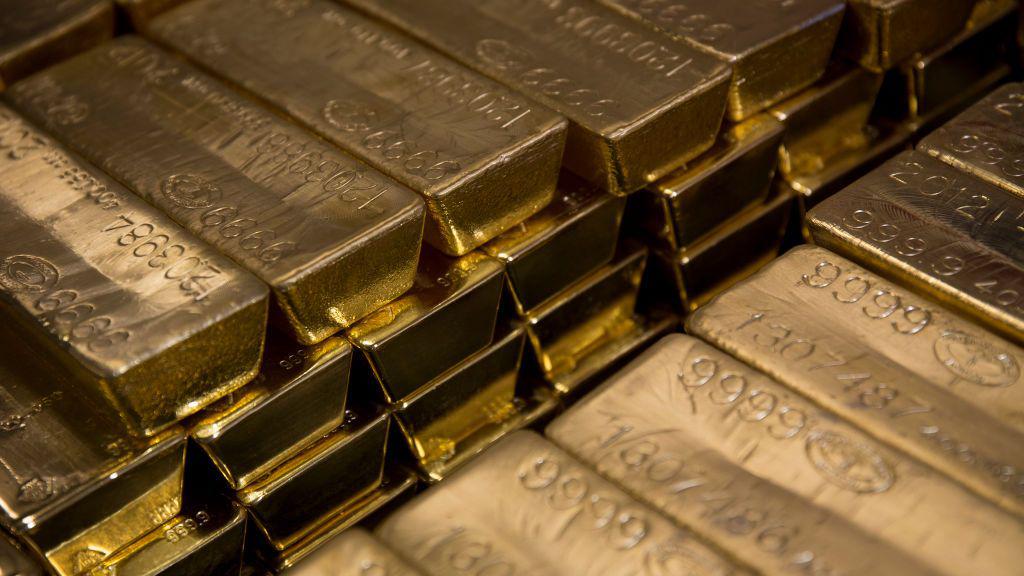
The Democratic Republic of the Congo (DR Congo or DRC) is an important gold-producing country in Central Africa, with opportunities for buyers interested in gold bullion, doré bars, and gold sourced through industrial mining operations or regulated artisanal supply chains. However, purchasing gold from the DRC requires more than finding a seller and agreeing on a price. Buyers must establish the gold’s origin, verify its purity, confirm the seller’s authority to trade, and ensure that the proposed export follows the applicable regulations.
For international buyers, a transparent transaction begins with reliable documentation and independent verification. This guide explains what to consider when buying gold from DR Congo, how to assess suppliers, and what to check before arranging an international shipment.
Understanding the Gold Market in DR Congo
Gold production in the DRC comes from both large-scale industrial mining operations and artisanal and small-scale mining activities. These supply channels differ in how gold is extracted, processed, documented, and brought to market.
The U.S. Geological Survey reported estimated gold production of 27,935 kilograms in 2024. Its country report also identifies industrial operations and artisanal production as important parts of the sector. See the USGS country report on the Democratic Republic of the Congo for additional information.
Buyers should understand which supply channel a proposed transaction uses. A supplier claiming access to mine production should be able to demonstrate the relationship between the producer, the seller, and the gold being offered.
What Types of Gold Can Buyers Purchase?
The form of gold available depends on the producer, the processing stage, the supplier’s authorisations, and the intended transaction.
- Gold doré bars: Semi-refined bars containing gold and potentially silver or other metals. Their exact precious-metal content must be established through appropriate testing.
- Refined gold bullion: Gold processed to a specified purity and produced in a form suitable for investment, manufacturing, or further commercial use.
- Gold from industrial mines: Material supplied through established mining and commercial channels, subject to the producer’s sales procedures and applicable export requirements.
- Artisanal and small-scale gold: Gold produced by smaller mining operations. Buyers should establish the mine or cooperative origin, the legitimacy of the trading chain, and the relevant traceability records before proceeding.
These products are not interchangeable. A buyer should specify the required form, target purity, quantity, assay method, and delivery terms before negotiating a purchase.
Gold Purity, Assaying, and Quality Verification
Purity is one of the most important factors affecting the value of a gold transaction. Gold may be described in karats or as a percentage of fine gold, but a seller’s stated purity should never be treated as a substitute for independent testing.
| Gold specification | Approximate gold content |
|---|---|
| 24 karat | 99.9% when specified as 999 fine |
| 23 karat | 95.83% |
| 22 karat | 91.67% |
| 18 karat | 75.00% |
These are nominal purity references. Actual assay results may differ, and “24 karat” does not automatically establish that a bar meets a particular commercial fineness specification.
Before completing a purchase, buyers should:
- Request an assay report that identifies the material tested and the measured gold content.
- Confirm the laboratory’s identity, competence, and independence.
- Check whether the report refers to the actual lot being offered.
- Agree on the sampling, testing, weighing, and acceptance procedures in writing.
- Confirm how any discrepancy between the seller’s stated purity and the independent result will be handled.
For doré gold, the settlement calculation should account for the measured fine-gold content, any recoverable by-products where applicable, refining charges, and other agreed deductions.
How to Verify a Gold Supplier in DR Congo
Supplier verification is essential when purchasing precious metals internationally. A professional presentation, photographs of gold bars, or copies of certificates do not independently prove ownership, origin, purity, or the right to export.
Before committing funds, request and verify the following:
- Company identity: Obtain the supplier’s registered legal name, registration details, physical business address, and authorised representatives.
- Authority to sell: Establish whether the seller is the producer, a licensed trader, an approved purchasing entity, or an intermediary acting under a valid mandate.
- Ownership and title: Request evidence that the seller is legally entitled to sell the specific gold lot.
- Origin documentation: Review mine, cooperative, purchase, production, and traceability records relevant to the supply channel.
- Export eligibility: Confirm that the proposed exporter is authorised to conduct the transaction and can obtain the required export documentation.
- Banking information: Ensure that the beneficiary account belongs to the contracting party or that any alternative arrangement is properly documented and independently verified.
- Independent verification: Confirm important documents with the issuing authorities or institutions using independently obtained contact details.
The DRC’s Centre for Evaluation, Expertise and Certification (CEEC) describes certification as covering the nature, physical and chemical characteristics, origin, and lawful provenance of mineral substances. Buyers should determine which CEEC and other official documents apply to their specific transaction.
Responsible Sourcing and Gold Traceability
Gold provenance deserves particular attention in the DRC because some mining areas and supply chains face risks involving illegal exploitation, smuggling, and the financing of armed groups.
A responsible buyer should be able to follow the gold through the relevant stages of the supply chain, from extraction or lawful acquisition to processing, sale, and export. Depending on the transaction, the evidence may include mine or cooperative records, purchase receipts, production records, transport documents, assay results, and official certification.
The DRC has procedures for traceability and certification of tradable mineral products. The International Energy Agency’s summary of the DRC traceability procedures explains that the framework is intended to improve transparency and prevent trade in conflict minerals.
Buyers should conduct risk-based due diligence consistent with the OECD Due Diligence Guidance for Responsible Supply Chains of Minerals. If the supplier cannot credibly explain the gold’s origin or provide the required supporting records, the transaction should not proceed until the issue is resolved.
Gold Export Requirements in DR Congo
Exporting gold from the DRC involves regulatory and documentary requirements that depend on the product, its source, the type of producer, and the intended shipment. A buyer should not assume that gold can be exported simply because it has been purchased or assayed.
Before a shipment is arranged, confirm the applicable requirements with the relevant Congolese authorities and a qualified customs or export professional. Depending on the transaction, these may include:
- Appropriate exporter registration or authorisation for precious metals.
- Applicable technical opinions, approvals, or certificates.
- Assay, valuation, origin, and traceability documentation.
- Commercial invoices and sale agreements.
- Export declarations and customs documentation.
- Required taxes, royalties, fees, or other government charges.
- Transport, insurance, and destination-country import documentation.
The DR Congo Trade Information Portal lists government procedures relating to the authorisation of precious-metal exporters and the export of gold. Requirements should be checked against the current rules for the specific transaction rather than relying on an old document or a seller’s verbal assurance.
International buyers should also confirm the import requirements of the destination country before payment and dispatch. Import permits, customs declarations, taxes, sanctions compliance, and anti-money-laundering obligations may apply.
How Gold Prices Are Determined in DR Congo
The purchase price of gold depends on its verified fine-gold content, the applicable market reference price, and the commercial terms of the transaction. There is no single guaranteed price that applies to every supplier or every form of gold.
A typical pricing assessment considers:
- International gold reference price: The agreed benchmark and pricing time.
- Fine-gold content: The quantity of pure gold established through an accepted assay.
- Weight: The verified net weight of the material.
- Refining and processing costs: Relevant where the material is doré or otherwise requires further treatment.
- Taxes and regulatory charges: Applicable costs that must be identified and documented.
- Logistics and insurance: Transportation, secure handling, insurance, and other shipment expenses.
- Commercial terms: Payment timing, settlement procedures, and agreed deductions.
For doré, a simplified starting point is:
Estimated fine-gold value = net weight × measured gold fraction × agreed gold price per unit of fine gold.
For example, 10 kilograms of material assaying at 90% gold contains approximately 9 kilograms of fine gold before accounting for other recoverable metals, refining losses, charges, and contractual adjustments. This is a calculation example, not a quoted offer or a representation of gold currently available from any supplier.
A written contract should explain the price benchmark, assay procedure, settlement formula, and all deductions. Buyers should be cautious of unusually large discounts or guaranteed profits that cannot be supported by transparent commercial terms.
Arranging International Gold Shipments
Once the supplier, documentation, assay process, and commercial terms have been verified, the buyer and seller can establish the appropriate shipping arrangements.
A complete shipment plan should identify the legal exporter, destination, consignee, approved carrier, insurance arrangements, customs responsibilities, and the documents that must accompany the consignment. The parties should also agree on the point at which ownership and risk transfer from seller to buyer.
Where the gold is destined for Uganda or another international market, the importer should verify local import requirements before the gold leaves the DRC. A transit route through a third country does not, by itself, establish lawful origin or replace the required export documentation.
Payment arrangements should be linked to clearly defined contractual milestones. Depending on the transaction, these may include document verification, independent assay, confirmation of export readiness, and agreed delivery or settlement conditions. Any escrow or other payment-protection arrangement should be independently verified before funds are transferred.
Common Risks When Buying Gold From DR Congo
International gold buyers can reduce avoidable losses by recognising warning signs before entering a transaction.
Unverified ownership: A seller may claim access to gold without proving ownership or authority to sell it.
False or mismatched documents: Certificates, assay reports, invoices, and photographs may refer to different consignments or contain information that cannot be independently confirmed.
Unclear origin: A supplier may be unable to demonstrate where the gold was mined or how it entered the commercial supply chain.
Unauthorised export arrangements: A seller may promise export without demonstrating that the required approvals and documents can be obtained.
Unexplained advance payments: Requests for large upfront fees without a verified contractual basis can expose buyers to fraud.
Unrealistic pricing: Offers far below a credible market-based valuation may conceal purity, ownership, or documentation problems.
The safest approach is to verify the seller and the specific consignment independently, document the agreed procedure, and avoid transferring funds until the relevant checks have been completed.
How Cubo Gold Mines Can Support Your Gold-Buying Research
Cubo Gold Mines provides a point of contact for people researching gold purchasing, precious-metal trading, and related services. Buyers considering a transaction involving DR Congo should first establish their required product, quantity, target purity, destination, and documentation requirements.
Any proposed transaction should proceed only after the relevant supplier, product availability, legal authority, assay arrangements, and export requirements have been confirmed. Buyers should contact Cubo Gold Mines directly to discuss their specific requirements and determine which services, if any, are available for their transaction.
Frequently Asked Questions About Buying Gold From DR Congo
- Is DR Congo a gold-producing country? Yes. The DRC produces gold through industrial mining operations and artisanal and small-scale mining. The USGS estimated production at 27,935 kilograms in 2024.
- Can international buyers purchase gold from DR Congo? International purchases may be possible when the parties, gold, and export arrangements comply with applicable laws. Buyers should verify the supplier’s authority, gold provenance, export documentation, and destination-country import requirements before proceeding.
- What purity is gold from DR Congo? There is no single purity for all Congolese gold. Doré, refined bullion, and other gold products can have different gold contents. Independent assay testing is necessary to establish the actual purity of a specific lot.
- What documents should I request before buying gold? Depending on the transaction, request company registration and seller authorisation, proof of ownership, origin and traceability records, a relevant assay report, a sale agreement, and the applicable export and customs documentation. Verify the documents with their issuers where possible.
- Is artisanal gold suitable for international trade? It may be traded through lawful, appropriately documented supply chains. Buyers should pay particular attention to the legal status of the producer and trader, the gold’s origin, traceability, and the requirements for export.
- How can I calculate the price of gold from DR Congo? Start with the verified net weight, measured fine-gold content, and an agreed market reference price. Then account for refining, applicable taxes and fees, transport, insurance, and the contract’s settlement terms.
Conclusion: Buying Gold From DR Congo With Confidence
Buying gold from DR Congo can offer access to a significant gold-producing market, but successful international transactions depend on careful verification rather than price alone. Buyers should understand the type of gold being offered, confirm its purity through independent testing, establish lawful ownership and traceability, and verify that all required export and import procedures can be completed.
By following a documented due-diligence process and working with verifiable counterparties, buyers can make better-informed decisions and reduce the risks associated with international precious-metal transactions.
Leave a Reply