
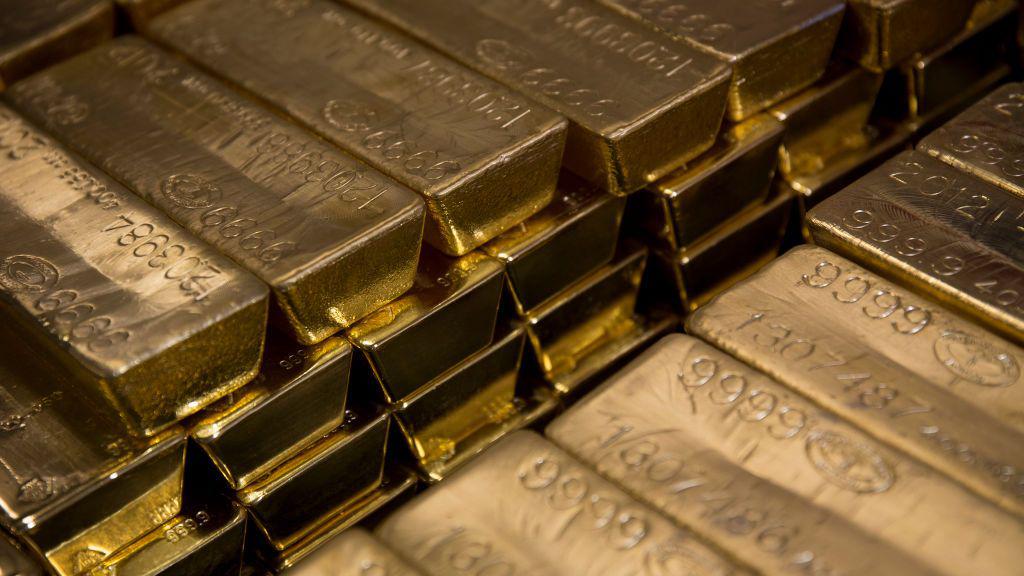
Germany is one of Europe’s established markets for physical gold investment, with a developed network of precious metals dealers, bullion retailers, financial institutions, and specialist gold businesses. Buyers researching how to buy gold from Germany can explore investment-grade gold bars, bullion coins, jewellery, and other precious metal products.
For international buyers, Germany is particularly worth considering because of its legal framework for investment gold and the availability of recognised bullion products. However, choosing a supplier requires careful attention to authenticity, product purity, pricing, taxation, and international shipping requirements.
Whether you are an individual investor, a bullion dealer, a jewellery manufacturer, or a commercial buyer, this guide explains how to evaluate German gold suppliers and make more informed purchasing decisions.
Why Buy Gold From Germany?
Germany has a well-established physical gold investment market. Private investors and businesses can access gold products through precious metals dealers and other legitimate commercial channels.
Several factors make Germany relevant to international gold buyers:
- Established bullion market: Germany has a developed market for physical gold bars and investment coins.
- Investment-grade products: Buyers can compare gold products from recognised refiners, mints, and bullion manufacturers.
- Defined VAT framework: Qualifying investment gold is generally exempt from German VAT, subject to the applicable legal requirements.
- Product documentation: Reputable dealers can provide invoices, product specifications, and relevant authenticity documentation.
- European market access: Germany’s position within the European Union makes it a useful market to consider when comparing European precious metals suppliers.
These advantages do not guarantee that every seller or offer is legitimate. Buyers should independently verify the supplier and the gold before committing funds.
What Types of Gold Can You Buy From Germany?
The right product depends on your budget, investment objectives, intended use, and required quantity.
Gold Bullion Bars
Gold bars are among the most common options for buyers seeking physical gold for investment or commercial purposes.
They are available in different weights and purity specifications, depending on the manufacturer and dealer. Buyers should establish the exact weight, fineness, manufacturer, identifying marks, and documentation supplied with each bar.
For larger purchases, agree on inspection procedures and independent verification before final payment.
Gold Investment Coins
Germany’s bullion market includes investment coins from international mints. Buyers may encounter widely traded gold coins whose prices reflect the underlying gold content and an additional dealer premium.
When comparing coins, confirm their weight, fineness, authenticity, condition, and resale market. Collectible and commemorative coins can carry additional premiums that are not directly related to their gold content.
It is also important to distinguish investment coins that qualify for the applicable tax treatment from other gold coins.
Gold Jewellery
German jewellery retailers sell gold products in a range of styles and purity levels.
Jewellery is priced differently from investment bullion because the total price may include craftsmanship, design, branding, and retail margins. Buyers purchasing jewellery for resale should confirm the karat, net gold weight, and any applicable taxes.
Gold for Commercial and Manufacturing Use
Jewellery manufacturers, industrial businesses, and precious metals traders may require gold in specific forms and purity levels.
Before purchasing, specify the required quantity, fineness, product format, testing requirements, and delivery arrangements. Do not assume that a retail bullion dealer can supply industrial quantities or specialised gold materials without confirmation.
Understanding Gold Purity and Fineness
Gold purity is essential when comparing suppliers and calculating the value of a purchase.
Karat measures gold purity out of 24 parts, while fineness expresses the gold content in parts per thousand.
| Gold classification | Approximate gold content |
|---|---|
| 24-karat gold | Commonly 99.9% or higher for investment bullion |
| 23-karat gold | 95.83% |
| 22-karat gold | 91.67% |
| 18-karat gold | 75.00% |
For investment bullion, a fineness specification of 999.9 indicates 999.9 parts of gold per 1,000 parts of material.
However, purity alone does not determine whether a product qualifies as investment gold under German tax law. The product must also meet the relevant legal criteria.
Always compare the stated purity with the product documentation and arrange suitable independent verification when necessary.
Does Germany Charge VAT on Gold?
One of the important considerations when buying gold from Germany is the country’s treatment of investment gold under its value-added tax (VAT) legislation.
Under Section 25c of the German VAT Act, qualifying investment gold is generally VAT-exempt. This includes gold bars and wafers with a fineness of at least 995/1000 that meet the applicable weight criteria, as well as qualifying investment coins that satisfy additional statutory requirements.
The exemption does not automatically apply to every product containing gold. Jewellery, decorative items, and certain collectible products may be subject to different tax treatment.
Before purchasing, ask the seller to identify the product’s tax classification and confirm that the quotation reflects the applicable rules.
For the legal requirements, consult the German VAT Act, Section 25c. The European Commission also provides guidance on the VAT treatment of investment gold. <Cite refs={[“turn174857search0″,”turn174857search2”]}/>
How to Verify Gold Suppliers in Germany
Supplier verification is essential whether you are purchasing a small bullion bar or negotiating a substantial commercial transaction.
Verify the Company’s Identity
Request the supplier’s full legal name, registered business address, company registration details where applicable, and the identity of its authorised representative.
Where appropriate, check the business through Germany’s official company register or other relevant public records.
If the supplier claims to represent a particular refinery, mint, or bullion brand, verify that relationship directly with the named organisation.
Check Relevant Legal and Compliance Requirements
Businesses trading in precious metals may have obligations under Germany’s anti-money-laundering legislation. Requirements can depend on the transaction, payment method, business activity, and applicable thresholds.
For example, Germany has specific customer due diligence requirements for certain cash transactions involving precious metals. Buyers should not assume that all dealers operate under identical conditions.
For relevant information, consult the German Federal Financial Supervisory Authority (BaFin) and applicable German legal guidance. Seek professional advice for substantial or complex transactions.
Verify the Gold’s Authenticity
Depending on the product, request appropriate supporting documents, including:
- A commercial invoice identifying the product and quantity.
- A bar list or product schedule with identifying marks, where applicable.
- Refinery documentation or an assay certificate, where available.
- Evidence of ownership or authority to sell.
- Relevant origin and responsible-sourcing records.
- Shipping and insurance documentation for international deliveries.
For high-value purchases, consider independent inspection or testing. A certificate or photograph alone does not guarantee authenticity.
Agree on Payment and Inspection Procedures
The purchase agreement should specify the product, quantity, price, payment schedule, verification process, delivery terms, and responsibility for discrepancies.
Avoid unexplained third-party payment instructions, pressure to transfer funds urgently, or claims that independent verification is impossible without a convincing and verifiable reason.
How Much Does Gold Cost in Germany?
Gold prices in Germany are influenced by international bullion prices, currency movements, product purity, dealer premiums, and transaction costs.
Although qualifying investment gold is generally VAT-exempt, the purchase price still varies between sellers and products.
A simplified cost calculation is:
Total purchase cost = Gold value + dealer premium + applicable fees + transport and insurance + destination-country taxes or customs charges, where applicable.
For example, a buyer comparing two gold bars should check their weight, purity, manufacturer, premium, and delivery terms. A lower advertised price may not represent the better deal if additional charges are substantial.
Before accepting a quotation, confirm:
- The gold price benchmark or pricing method.
- The exact weight and fineness.
- Whether the price is fixed or market-linked.
- Any commissions, storage charges, or handling fees.
- The currency and exchange rate, where relevant.
- Shipping, insurance, and destination-country costs.
Compare the total cost of acquiring and receiving the gold rather than focusing only on the quoted price per gram or kilogram.
Buying Gold From Germany for International Delivery
International buyers should establish the export and destination-country import requirements before finalising a transaction.
The required procedure depends on the product, shipment method, destination, and applicable customs rules. Personal purchases carried in baggage may be treated differently from commercial consignments.
Confirm the Export Documentation
Depending on the shipment, the relevant documents may include a commercial invoice, packing list, product specifications, customs declaration, and transport records.
Ask the supplier which export formalities apply and whether the supplier or buyer will arrange customs clearance.
For transactions involving destinations outside the European Union, verify the applicable export procedure with German customs or a qualified customs agent.
Check the Destination Country’s Import Rules
The importing country may require permits, declarations, proof of origin, tax payments, or other supporting documentation.
For buyers importing gold into Uganda, confirm the applicable requirements with the Uganda Revenue Authority and any other relevant authorities before arranging shipment.
A German invoice or refinery certificate does not automatically replace the importing country’s customs documentation.
Arrange Secure Transport and Insurance
Gold is a high-value commodity that requires suitable security and insurance arrangements.
Confirm the carrier, insurance coverage, delivery location, transfer of ownership, and responsibility for any loss or delay. The purchase agreement should specify who pays for transport, customs clearance, and related expenses.
For substantial commercial purchases, consider using professional logistics and legal support.
Common Risks When Buying Gold From Germany
Even when buying from an established market, gold purchasers should take precautions against common transaction risks.
Counterfeit products: A bar’s appearance, packaging, or certificate does not independently establish its authenticity.
Unverified suppliers: Fraudulent sellers may misuse the names of recognised refiners or legitimate businesses.
Misleading quotations: Advertised prices may exclude premiums, delivery costs, insurance, or other charges.
Incorrect tax assumptions: Not all gold products qualify for the investment gold VAT exemption.
Unclear ownership: Confirm that the seller has the right to sell and transfer the gold.
Payment fraud: Be cautious of urgent payment demands, unexplained bank-account changes, or requests to pay before agreed verification conditions are met.
Incomplete export arrangements: A seller’s ability to supply gold does not automatically establish that the proposed shipment can be completed under the agreed terms.
A written contract, verified documentation, and a clear inspection process help buyers manage these risks.
How Cubo Gold Mines Helps Gold Buyers
Cubo Gold Mines provides information for individuals and businesses researching gold purchases, precious metals, and international gold markets.
For buyers considering Germany as a purchasing location, it is useful to define the required product, purity, quantity, budget, and destination before evaluating suppliers.
Buyers should independently confirm supplier credentials, product availability, assay arrangements, tax treatment, and delivery terms. International purchases should also be checked against the applicable export and import rules.
Each proposed transaction should be evaluated using its actual documentation and contractual conditions rather than assumptions about stock, supplier relationships, or available services.
Frequently Asked Questions About Buying Gold From Germany
- Is Germany a good place to buy gold? Germany has an established physical bullion market and a defined legal framework for investment gold. Whether it is the right place to purchase depends on the product, supplier, total cost, verification arrangements, and delivery requirements.
- Can foreigners buy gold from Germany? Foreign buyers may purchase gold from German suppliers, subject to applicable legal requirements and the seller’s terms. Buyers should confirm payment, identification, tax, export, and destination-country import requirements before completing a transaction.
- Is gold tax-free in Germany? Qualifying investment gold is generally exempt from German VAT. The exemption applies only to products that satisfy the relevant legal criteria, so buyers should confirm the tax treatment of the specific gold they intend to purchase.
- What purity should I look for when buying gold bars in Germany? Investment gold bars and wafers generally need a fineness of at least 995/1000 and must satisfy other applicable criteria. Buyers should confirm the exact purity, product specifications, and supporting documentation.
- How can I verify a German gold supplier? Check the company’s legal identity, verify the representative’s authority, review relevant compliance requirements, and confirm the authenticity and ownership of the gold. Independent inspection may provide additional assurance for high-value purchases.
- Can gold purchased in Germany be shipped to Uganda? Potentially, subject to the relevant export, transport, and Ugandan import requirements. Confirm the necessary documentation, customs procedures, taxes, and any required permits before arranging shipment.
- How is the price of gold in Germany calculated? The price generally reflects the international gold benchmark, exchange rates, product purity, and dealer premium. Additional costs may include insurance, transport, storage, and destination-country charges.
- What documents should I request when buying gold from Germany? Depending on the transaction, request a commercial invoice, product or bar list, assay or refinery documentation, evidence of ownership or authority to sell, and relevant customs and shipping records.
Conclusion: Buying Gold From Germany With Confidence
Germany offers access to an established European precious metals market and a legal framework that generally exempts qualifying investment gold from VAT.
However, a successful purchase depends on more than the country’s reputation. Buyers should verify the supplier, confirm the gold’s purity and authenticity, understand the complete cost, and establish clear payment and delivery arrangements.
International buyers should also confirm export procedures and destination-country import requirements before committing to a shipment.
With proper due diligence and clear contractual terms, buyers can make better-informed decisions when exploring gold purchasing opportunities in Germany.
Explore Cubo Gold Mines for additional information about gold sourcing, precious metals, and international gold markets.
Leave a Reply