
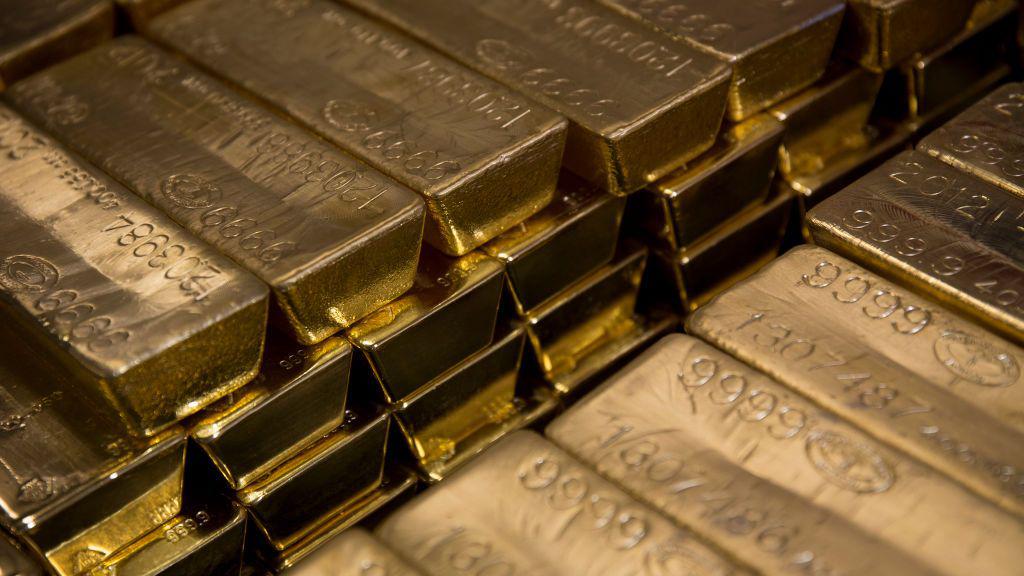
Japan has a well-established precious metals market, with a long history of physical gold trading, jewellery manufacturing, bullion investment, and precious metal recycling. For international buyers, Japan can be a market to explore when comparing gold bars, investment coins, jewellery, and other gold products.
However, buying gold from Japan requires a clear understanding of product purity, supplier credibility, consumption tax, pricing, and export procedures. These factors can significantly affect the final cost of a purchase, particularly when gold is being acquired for delivery outside Japan.
Whether you are an investor, bullion dealer, jewellery manufacturer, or commercial buyer, this guide explains how to evaluate Japanese gold suppliers and what to consider before completing a transaction.
Why Buy Gold From Japan?
Japan’s gold market serves both domestic consumers and international precious metals trading networks. Buyers may encounter established bullion dealers, precious metals businesses, jewellery retailers, and companies involved in refining or recycling gold.
Several considerations make Japan relevant to gold buyers:
- Established bullion market: Japan has a developed market for physical gold bars and investment products.
- Multiple product categories: Buyers can investigate bullion, coins, jewellery, and gold intended for manufacturing.
- Precious metals expertise: Japanese businesses operate across gold trading, refining, recycling, and jewellery production.
- Product verification: Reputable suppliers can provide product specifications and appropriate documentation to support a purchase.
- International commercial connections: Japan participates in global precious metals markets, although export requirements depend on the transaction and product.
Japan’s reputation does not guarantee that every offer is genuine or competitively priced. Buyers should independently verify the supplier, the gold, and the conditions of sale.
What Types of Gold Can You Buy From Japan?
The most suitable product depends on your intended use, required purity, budget, and whether you need physical delivery.
Japanese Gold Bullion Bars
Gold bars are a common option for buyers seeking measurable quantities of physical gold. They may be available in different weights and fineness levels, depending on the producer and dealer.
When comparing offers, confirm the exact weight, purity, manufacturer or refiner, identifying marks, and accompanying documentation.
For large purchases, establish whether independent inspection or testing is available before final payment. Also confirm whether the quoted price includes applicable consumption tax, handling fees, and delivery costs.
Gold Investment Coins
Japanese and international bullion coins may be available through precious metals dealers. Their value typically reflects the underlying gold content and a premium determined by the product and seller.
Before buying, distinguish bullion coins from collectible or commemorative coins. Collectible coins may carry additional premiums based on rarity, condition, and demand.
Confirm the coin’s weight, purity, authenticity, and resale conditions before committing to a purchase.
Gold Jewellery
Japan has a jewellery market offering gold products in different designs, weights, and karat specifications.
Jewellery prices may include manufacturing costs, design premiums, branding, and retail margins in addition to the value of the gold itself.
For jewellery intended for resale or commercial use, request details of the net gold weight, karat, alloy composition where relevant, and applicable taxes.
Recycled Gold and Gold-Bearing Materials
Japan also has a precious metals recycling industry. Some businesses recover gold from jewellery, electronic materials, industrial components, and other gold-bearing products.
These materials are not equivalent to investment-grade bullion. Their value depends on the quantity of recoverable gold, the composition of the material, assay results, processing costs, and the terms of the transaction.
Commercial buyers considering recycled gold should establish the material’s origin, legal ownership, testing method, and settlement formula before purchasing.
Understanding Gold Purity in Japan
Gold purity is one of the most important factors when evaluating a supplier’s quotation.
Karat measures the proportion of gold out of 24 parts, while fineness expresses the gold content in parts per thousand.
| Gold classification | Approximate gold content |
|---|---|
| 24-karat gold | Commonly 99.9% or higher for investment bullion |
| 23-karat gold | 95.83% |
| 22-karat gold | 91.67% |
| 18-karat gold | 75.00% |
For example, gold marked 999.9 fineness contains 999.9 parts of gold per 1,000 parts of material.
A product’s stated purity should be supported by appropriate evidence. Depending on the product, this may include a refinery certificate, assay report, identifying marks, or independent laboratory testing.
Do not assume that all products described as 24-karat gold have identical specifications or that a seller’s certificate alone proves authenticity.
How to Verify Gold Suppliers in Japan
Supplier due diligence is essential for both retail and wholesale purchases. Buyers should verify the company’s identity and the gold’s specifications before transferring significant funds.
Check the Company’s Legal Identity
Obtain the supplier’s full legal name, registered business address, company details, and the identity of the person authorised to negotiate the transaction.
Where appropriate, check available Japanese business registration information and confirm that the representative is authorised to act for the company.
If the seller claims to represent a mine, refinery, or established bullion brand, verify that relationship directly with the named organisation.
Understand Applicable Business Requirements
Japan regulates certain precious metals businesses under anti-money-laundering legislation. The Ministry of Economy, Trade and Industry provides information for businesses handling jewellery and precious metals.
Depending on the activities involved, a business may have customer-identification, recordkeeping, or other legal obligations. Second-hand trading in certain goods may also be subject to separate licensing requirements.
Review the relevant Japanese Ministry of Economy, Trade and Industry guidance and seek professional advice if the transaction involves complex commercial arrangements.
Verify the Gold and Its Documentation
Depending on the product and transaction, request:
- A commercial invoice with a detailed product description.
- A bar list or product schedule showing weights and identifying marks.
- An assay certificate or refinery documentation, where applicable.
- Evidence of ownership or authority to sell.
- Origin and responsible-sourcing records, where relevant.
- Shipping, insurance, and customs documents for international delivery.
Check important documents with their purported issuers where possible. For significant purchases, agree on an independent verification procedure before settlement.
Use Clear Payment and Inspection Conditions
The purchase agreement should identify the product, quantity, purity, price, payment schedule, inspection arrangements, delivery terms, and responsibility for any discrepancy.
Avoid unexplained third-party bank accounts, pressure to pay immediately, and offers supported only by photographs or unverified certificates.
Understanding Japan’s Gold Prices and Consumption Tax
Japan’s gold prices are influenced by international bullion prices, the Japanese yen exchange rate, dealer premiums, product specifications, and applicable taxes.
One important consideration is Japan’s consumption tax. Unlike jurisdictions that exempt qualifying investment gold from sales tax, Japan generally applies consumption tax to taxable domestic gold sales and imports, subject to the applicable rules.
This means buyers should compare the complete tax-inclusive cost rather than relying solely on the displayed gold price.
A simplified calculation is:
Total purchase cost = Gold value + dealer premium + applicable consumption tax + fees + transport and insurance + destination-country charges, where applicable.
The exact calculation depends on the transaction structure, product, and tax treatment.
For example, a buyer comparing two gold bars should check whether both quotations include consumption tax and whether their purity, weight, and premiums are comparable.
Do not assume that a tax charged at purchase will automatically be refunded when the gold is exported. Any applicable refund or adjustment must be confirmed under the relevant rules and transaction arrangements.
For current information, consult the Japanese National Tax Agency’s guidance on import transactions.
Buying Gold From Japan for International Delivery
Buyers purchasing gold for delivery abroad should plan the export process and destination-country import requirements before making payment.
The documentation required can differ between bullion, jewellery, recycled gold, and commercial quantities of gold-bearing materials.
Confirm Export and Customs Requirements
Ask the seller to identify the applicable export procedures and the documents that will accompany the shipment.
Depending on the product and transaction, these may include commercial invoices, packing lists, product specifications, customs declarations, and transport documentation.
The requirements for commercial cargo are not necessarily the same as those for gold carried in personal baggage.
Understand Japan’s Rules for Travellers Carrying Gold
Japan Customs requires travellers entering Japan to declare gold products on the relevant declaration, regardless of quantity, weight, or value.
Additional reporting is required when a traveller carries more than 1 kg of gold bullion with a purity of at least 90%. Other customs procedures may apply when the quantity or value exceeds the scope of ordinary traveller baggage clearance.
These are rules for bringing gold into Japan. Buyers should not treat them as a complete guide to exporting commercial gold shipments.
Consult the official Japan Customs passenger clearance guidance before travelling with gold.
Check the Destination Country’s Import Rules
The country receiving the shipment may require import permits, customs declarations, proof of origin, tax payments, or other documents.
For buyers importing gold into Uganda, confirm the applicable requirements with the Uganda Revenue Authority and any other relevant authorities before arranging transport.
Agree in writing on who is responsible for customs clearance, taxes, insurance, and any delays caused by incomplete documentation.
Arrange Secure Transport and Insurance
High-value gold shipments require suitable security, handling, and insurance arrangements.
Confirm the carrier, delivery location, insurance coverage, transfer of risk, and the point at which ownership passes to the buyer.
For commercial transactions, ensure that the shipping arrangements match the purchase agreement and the requirements of the destination country.
Common Risks When Buying Gold From Japan
Even in an established precious metals market, buyers must take precautions against transaction risks.
Counterfeit products: Gold bars and coins can be misrepresented. Verify authenticity through suitable procedures.
Unverified suppliers: A professional-looking website or business profile does not prove that a company owns the gold or can fulfil an order.
Misleading price quotations: Advertised prices may exclude consumption tax, dealer premiums, transport, insurance, or other fees.
Incorrect purity claims: The actual gold content may differ from the seller’s description. Obtain suitable documentation and independent testing when necessary.
Unclear ownership or origin: Confirm the seller’s authority to sell the gold and review relevant origin records.
Payment fraud: Be cautious of urgent payment demands, unexplained bank-account changes, or requests to pay before agreed verification conditions are satisfied.
Customs and tax problems: Incorrect declarations or incomplete paperwork can cause delays, additional costs, or legal consequences.
A written agreement, appropriate due diligence, and a clearly defined inspection process can help reduce these risks.
How Cubo Gold Mines Helps Gold Buyers
Cubo Gold Mines provides information for individuals and businesses researching gold purchasing, precious metals, and international gold markets.
For buyers considering Japan as a purchasing location, the first step is to identify the required product, purity, quantity, budget, and destination country.
These details help buyers assess suitable suppliers, compare quotations, and determine the verification and shipping arrangements required for the transaction.
Before proceeding, independently confirm the seller’s credentials, product availability, assay documentation, tax treatment, and delivery terms. International purchases should also be checked against the applicable export and import rules.
Each proposed transaction should be evaluated using its actual documentation and agreed commercial terms rather than assumptions about stock, supplier relationships, or services.
Frequently Asked Questions About Buying Gold From Japan
- Is Japan a good place to buy gold? Japan has an established physical gold market and businesses involved in bullion trading, jewellery, and precious metals recycling. Whether it is the right place to buy depends on the supplier, product, complete price, verification arrangements, and delivery costs.
- Can foreigners buy gold from Japan? Foreign buyers may be able to purchase gold from Japanese sellers, subject to the seller’s conditions and applicable legal requirements. Buyers should confirm payment, tax, export, and destination-country import procedures before completing the transaction.
- Is gold tax-free in Japan? Gold purchases are generally subject to Japan’s consumption tax when the relevant rules apply. Buyers should verify the tax treatment of their specific purchase and should not assume that gold bullion qualifies for the same exemptions available in some other countries.
- What purity of gold can I buy from Japan? Products vary by seller and intended use. Investment bullion may be offered at high fineness levels, while jewellery and recycled gold may have different specifications. Confirm the exact purity and request appropriate documentation.
- How can I verify a Japanese gold supplier? Check the company’s legal identity, verify the representative’s authority, review applicable business requirements, and confirm the gold’s authenticity and documentation. Independent testing can provide additional assurance for high-value transactions.
- Can gold purchased in Japan be shipped to Uganda? Potentially, provided the transaction meets the relevant export, transport, and Ugandan import requirements. Confirm the necessary documentation, customs procedures, taxes, and any required permits before arranging shipment.
- How is the price of gold in Japan calculated? The price generally reflects international gold prices, the yen exchange rate, product purity, dealer premiums, and applicable consumption tax. Transport, insurance, and other charges may increase the final cost.
- What documents should I request when buying gold from Japan? Depending on the transaction, request a commercial invoice, product or bar list, assay or refinery documentation, evidence of ownership or authority to sell, and applicable customs and shipping records.
Conclusion: Buying Gold From Japan With Confidence
Japan offers buyers access to an established precious metals market, but the success of a purchase depends on careful supplier verification, clear product specifications, and a complete understanding of the costs involved.
Before committing to a transaction, confirm the gold’s purity, verify the seller’s identity, understand the consumption tax treatment, and establish secure payment and delivery arrangements.
International buyers should also verify the export process and destination-country import requirements before the gold is shipped.
With proper due diligence and clear contractual terms, buyers can make better-informed decisions when exploring gold purchasing opportunities in Japan.
Explore Cubo Gold Mines for additional information about gold sourcing, precious metals, and international gold markets.
Leave a Reply