
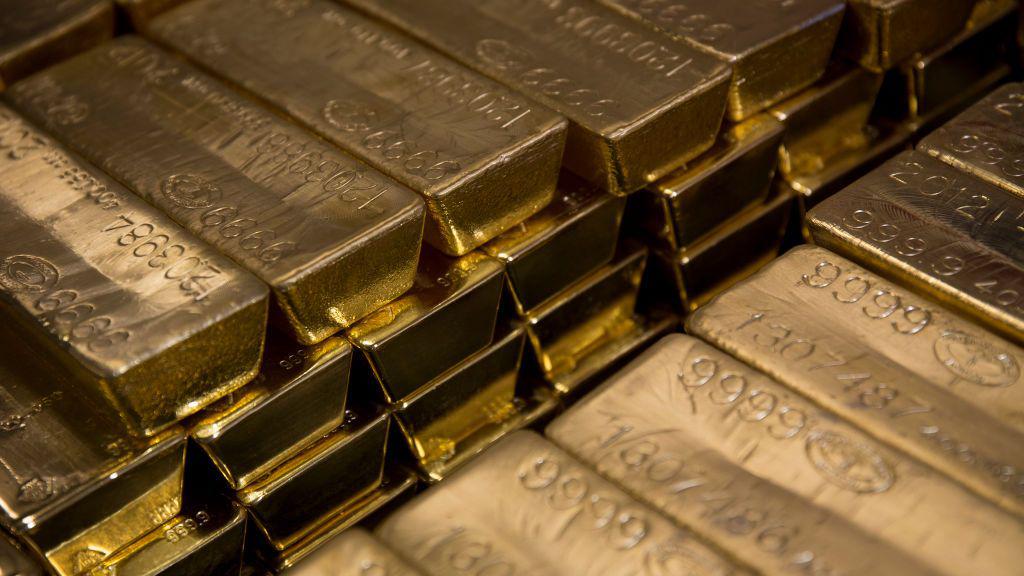
Mexico is an established precious metals-producing country with a significant mining industry and a long history of gold and silver production. For investors, bullion dealers, jewellery manufacturers, and international businesses, buying gold from Mexico may offer opportunities to source mined gold, refined bullion, and other precious metal products.
However, purchasing gold from Mexico requires careful evaluation of the supplier, gold purity, transaction terms, and export documentation. Buyers must also understand the distinction between purchasing gold from a mining company, a refinery, a wholesale dealer, or a retail bullion seller.
This guide explains how to buy gold from Mexico, what products may be available, how to verify suppliers, and what international buyers should consider before completing a transaction.
Why Buy Gold From Mexico?
Mexico has a well-established mining sector and is recognised internationally for producing precious metals. According to the United States Geological Survey, Mexico produced approximately 117,571 kilograms of mined gold in 2024, with Zacatecas and Sonora among its leading gold-producing states. <Cite refs={[“turn354768search7”]}/>
Several factors make Mexico worth considering when researching gold suppliers.
- Established mining industry: Mexico has operating mines and companies involved in gold extraction and mineral processing.
- Precious metals expertise: The country’s mining industry has experience in producing and processing gold and silver.
- Multiple purchasing channels: Buyers may investigate mining companies, refiners, bullion dealers, and precious metals businesses.
- Commercial sourcing opportunities: Depending on the seller, buyers may be able to explore transactions involving refined gold or other gold-bearing materials.
- International trade connections: Mexico participates in international mineral and precious metals markets, although each shipment must meet the relevant legal and commercial requirements.
The country’s mining output does not mean that every supplier has immediately available gold for sale. Buyers should confirm actual inventory, ownership, product specifications, and contractual terms directly with the seller.
What Types of Gold Can You Buy From Mexico?
The appropriate product depends on the buyer’s purpose, required purity, quantity, and intended destination.
Gold Bullion Bars
Gold bullion bars are commonly considered by investors and commercial buyers who want gold in a standardised, measurable form.
When evaluating a bullion offer, establish:
- The exact weight of each bar.
- The stated purity or fineness.
- The identity of the refiner or manufacturer.
- Whether the bars carry identifying marks or serial numbers.
- The availability of appropriate assay and ownership documentation.
- The arrangements for inspection, payment, and delivery.
Do not assume that a bar is genuine simply because it resembles a recognised refinery product.
Refined Gold
Refined gold may be suitable for buyers who require a specified purity for investment, resale, manufacturing, or further processing.
Before entering a transaction, request the product specifications and confirm whether the gold has undergone independent testing. If the buyer requires a particular fineness, such as 999.9, that requirement should be clearly stated in the purchase agreement.
The seller should explain how the gold’s purity is established and whether independent verification is permitted before final settlement.
Gold Dore Bars
Gold dore bars are semi-refined products that may contain gold, silver, and other impurities. They are different from finished investment bullion and are generally evaluated according to their actual precious metal content.
A dore transaction may require representative sampling, laboratory analysis, refining arrangements, and a settlement formula based on the recoverable gold and other payable metals.
Buyers should not value dore bars as though they were pure gold without reliable assay results.
Gold for Jewellery Manufacturing
Jewellery manufacturers may require gold of a particular karat, alloy composition, or physical form.
The buyer should establish whether the supplier can provide the required specifications, whether additional refining or alloying is necessary, and which quality standards apply in the destination market.
Understanding Gold Purity and Karats
Gold purity determines how much of a product’s weight consists of gold rather than other metals or impurities.
| Gold classification | Approximate gold content |
|---|---|
| 24-karat gold | Up to approximately 99.9% or higher, depending on the specification |
| 23-karat gold | 95.83% |
| 22-karat gold | 91.67% |
| 18-karat gold | 75.00% |
For bullion, fineness is often expressed in parts per thousand. For example, 999.9 fineness indicates 999.9 parts of gold per 1,000 parts of material.
Gold dore bars may have substantially lower and variable gold content. Their value must be calculated from verified assay results rather than their gross weight alone.
Always ensure that the purity stated on the quotation, invoice, assay certificate, and purchase agreement is consistent.
How to Find Reliable Gold Suppliers in Mexico
Finding a gold seller is only the first step. Buyers must determine whether the supplier is legitimate, authorised to conduct the proposed transaction, and capable of delivering the specified product.
Verify the Supplier’s Legal Identity
Request the company’s complete legal name, registered address, company registration information, tax details where applicable, and the identity of its authorised representative.
Cross-check the information through appropriate Mexican government records. For mining businesses, investigate whether the company’s stated mining activities and commercial role can be independently substantiated.
A website, business card, company profile, or social media page is not sufficient evidence of ownership or authority to sell gold.
Investigate the Gold’s Origin
For gold represented as mine-produced material, ask for documentation supporting its origin and the supplier’s right to sell it.
Depending on the transaction, useful records may include production or purchase records, chain-of-custody documents, invoices, assay reports, and responsible-sourcing information.
Where a supplier claims to represent a mine or refinery, independently confirm that relationship with the relevant business.
Confirm Export Eligibility
Mexico’s Servicio de Administración Tributaria (SAT) lists gold, silver, and copper among the categories covered by the Sectoral Exporters Registry. Exporters should confirm the registration and customs requirements applicable to their business and the particular goods being shipped.
The relevant procedures can depend on the product classification and transaction structure. Review the official SAT Sectoral Exporters Registry guidance before proceeding. <Cite refs={[“turn354768search4″,”turn354768search9”]}/>
Arrange Independent Gold Verification
For significant transactions, agree on an appropriate verification process before payment.
Depending on the product, this may involve checking bar identification, weighing the material, reviewing existing assay documentation, or conducting independent laboratory testing.
For dore bars or unrefined material, the parties should agree on sampling procedures, assay methodology, dispute resolution, and the method used to calculate the final payable value.
How Much Does Gold Cost in Mexico?
Gold prices in Mexico are influenced by international bullion prices, the Mexican peso exchange rate, product purity, supplier premiums, and the costs associated with processing and delivery.
The final purchase price depends on the type of gold being purchased and the seller’s commercial terms.
A simplified cost calculation is:
Total purchase cost = Gold value + supplier premium + assay or refining charges + transport and insurance + applicable taxes and customs charges.
For example, a buyer purchasing refined bullion should compare the quoted price per gram or kilogram with the relevant international gold benchmark, adjusted for purity and the seller’s premium.
A buyer purchasing dore bars requires a different calculation because the final payable value depends on the verified precious metal content, refining losses or deductions, treatment charges, and the settlement agreement.
Before accepting a quotation, confirm:
- The pricing benchmark and currency.
- The gold weight and purity used in the calculation.
- Whether the price is fixed or linked to the market price at settlement.
- Any commission, refining, or administrative fees.
- Who pays for transport, insurance, and customs clearance.
- The payment conditions and refund provisions, if applicable.
Comparing the total delivered cost is more useful than comparing headline prices alone.
Exporting Gold From Mexico to International Markets
International buyers must consider the export process before committing to a purchase. The documentation and procedures may differ for refined bullion, dore bars, jewellery, and gold-bearing mineral materials.
Prepare the Required Export Documents
Depending on the transaction, the exporter and buyer may need a commercial invoice, packing list, customs declaration, product specifications, assay documentation, proof of origin, and transport records.
The exporter should confirm which documents are required for the specific product and destination rather than relying on a generic list.
Check Import Rules in the Destination Country
The destination country’s customs and regulatory authorities may require import permits, declarations, tax payments, or additional supporting documents.
For buyers importing gold into Uganda, confirm the applicable requirements with the Uganda Revenue Authority and any other relevant authorities before the shipment leaves Mexico.
Do not assume that a document accepted in Mexico automatically satisfies the requirements of the importing country.
Arrange Secure Transport and Insurance
Gold is a high-value commodity that requires careful handling during transportation. Agree on the shipping method, insurance coverage, customs responsibilities, delivery location, and transfer of risk and ownership.
For wholesale transactions, use documented commercial arrangements and suitable professional logistics providers.
The contract should identify the party responsible for any loss, delay, customs issue, or discrepancy between the agreed product specifications and the material delivered.
Common Risks When Buying Gold From Mexico
Buyers should be aware of several risks that can arise in international precious metals transactions.
Counterfeit products: Gold bars and other products can be misrepresented. Use appropriate verification procedures before accepting the material.
False mining or refinery claims: Some sellers may claim access to a mine, refinery, or large consignment without having the necessary authority. Verify these claims independently.
Misrepresented purity: The stated purity may differ from the actual gold content. Establish a suitable assay process and settlement method.
Unclear ownership: Gold may be offered without sufficient evidence that the seller owns it or has the authority to transfer it.
Unexpected charges: Refining, handling, commissions, insurance, shipping, and customs expenses can materially affect the final cost.
Unsecured payments: Be cautious of pressure to transfer funds urgently, unexplained third-party payment instructions, or requests to pay before agreed verification conditions have been met.
Incomplete export arrangements: A seller’s ability to supply gold does not necessarily mean the seller can legally or practically arrange the intended international shipment.
A carefully drafted purchase agreement, independent verification, and clear payment conditions help reduce these risks.
How Cubo Gold Mines Helps Gold Buyers
Cubo Gold Mines provides information for individuals and businesses researching gold purchases, precious metals, and the international gold market.
For buyers considering gold from Mexico, the first step is to identify the required product, purity, quantity, intended use, and destination country. These details help determine which type of supplier and transaction structure may be appropriate.
Before proceeding with any proposed purchase, buyers should independently confirm supplier credentials, product availability, assay arrangements, pricing, and export requirements.
Any commercial transaction should be evaluated on its actual documentation and agreed terms. Product availability, supplier relationships, and delivery arrangements should be confirmed directly rather than assumed.
Frequently Asked Questions About Buying Gold From Mexico
- Is Mexico a gold-producing country? Yes. Mexico has an established gold-mining industry. The United States Geological Survey reported approximately 117,571 kilograms of mined gold production in Mexico in 2024.
- Can foreigners buy gold from Mexico? Foreign buyers may be able to purchase gold from Mexican sellers, subject to applicable laws, the seller’s terms, and the requirements governing the particular product and transaction. Buyers should verify export and destination-country import requirements before making payment.
- What purity of gold can I buy from Mexico? The purity depends on the product and supplier. Refined bullion may be available in high-fineness specifications, while dore bars contain variable amounts of gold and other metals. Always obtain product specifications and appropriate assay evidence.
- How do I verify a Mexican gold supplier? Verify the supplier’s legal identity, registered business information, authority to sell the gold, and relevant export eligibility. Confirm the product’s origin and documentation, and arrange independent testing where appropriate.
- Can gold purchased in Mexico be shipped to Uganda? International shipment may be possible if the transaction meets the relevant export, transport, and import requirements. Confirm the Mexican export procedure and Ugandan import requirements before agreeing to shipment or payment.
- What is the difference between gold bullion and gold dore? Bullion is refined gold sold according to a specified weight and fineness. Dore is semi-refined material whose precious metal content must be determined through assay and subsequent refining or settlement procedures.
- How is the price of Mexican gold calculated? The price generally reflects the applicable international gold benchmark, the product’s verified gold content, the exchange rate, the seller’s premium, and any additional charges. For dore bars, the settlement calculation may also include refining costs, deductions, and recovery terms.
- What documents should I request before buying gold from Mexico? Depending on the transaction, request a commercial invoice, product or bar list, assay documentation, evidence of ownership or authority to sell, origin records where applicable, and the export and transport documents required for the shipment.
Conclusion: Buying Gold From Mexico With Confidence
Mexico offers access to an established mining industry and a range of potential precious metals suppliers. Nevertheless, the success of a gold purchase depends on the credibility of the seller, the actual purity and ownership of the material, the agreed price, and the feasibility of completing the transaction legally.
Before purchasing, verify the supplier, obtain appropriate assay documentation, understand the complete cost, and confirm the export and import procedures. International buyers should also ensure that payment, inspection, insurance, and delivery conditions are clearly documented.
With careful preparation and independent verification, buyers can make more informed decisions when evaluating gold purchasing opportunities in Mexico.
Explore Cubo Gold Mines for additional information about gold sourcing, precious metals, and international gold markets.
Leave a Reply