
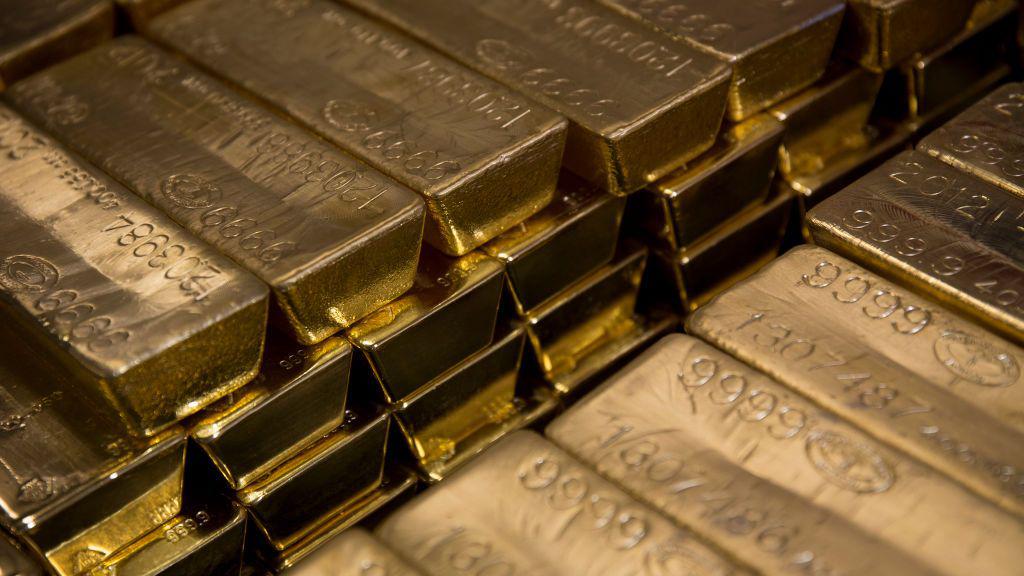
South Korea has an established gold market serving individual investors, jewellery buyers, manufacturers, and commercial precious-metal traders. Buyers can explore gold bars, investment products, jewellery, and other forms of gold through different channels, depending on whether their objective is long-term investment, manufacturing, resale, or international trade.
For anyone planning to buy gold from South Korea, understanding the difference between exchange-traded gold and physical bullion is particularly important. The two may have different costs, tax treatment, delivery arrangements, and documentation requirements.
This guide explains how to evaluate South Korean gold suppliers, assess purity, understand relevant tax considerations, and prepare for an international gold transaction.
Understanding South Korea’s Gold Market
South Korea’s gold market includes private bullion dealers, jewellery businesses, financial institutions offering gold-related products, and the Korea Exchange’s regulated spot gold market.
The Korea Exchange (KRX) operates a market where eligible gold bullion can be traded through participating securities firms. According to the exchange, qualifying bullion traded through this market has a purity of 99.99% and is traded in gram-based price increments. Physical withdrawal is subject to separate conditions.
For buyers, the most suitable purchasing channel depends on the intended use:
- Investment gold: Buyers seeking exposure to gold prices may consider regulated exchange-based products or physical bullion.
- Physical gold bars: Buyers who require possession of gold should verify the bar’s weight, fineness, manufacturer, and delivery arrangements.
- Jewellery gold: Jewellery is priced according to gold content, workmanship, design, and the seller’s commercial terms.
- Commercial gold: Manufacturers, refiners, and wholesale buyers may require specific purity standards, lot sizes, assay documentation, and contractual delivery conditions.
The distinction matters because an investment account or exchange position does not necessarily mean the buyer already has physical gold in their possession.
Where to Buy Gold in South Korea
Buyers should select a purchasing channel based on the type of gold they need and the level of documentation required.
The Korea Exchange gold market
The KRX spot market provides a regulated exchange-based route for trading eligible gold through participating securities firms. It can be relevant to investors who want market exposure without immediately taking physical delivery.
Buyers should understand the account requirements, applicable trading fees, custody arrangements, and conditions for withdrawing physical bullion. Information is available from the official Korea Exchange website.
Established bullion dealers
Private dealers may offer physical bars and other gold products. Before purchasing, buyers should confirm the dealer’s registered business identity, the product’s specifications, the complete price, and the conditions governing payment and collection.
Jewellery retailers
Jewellery shops are suitable for customers interested in gold ornaments and finished products. The total price may include design and manufacturing charges in addition to the value of the gold itself.
Commercial suppliers
Businesses purchasing gold for manufacturing, refining, or resale should establish whether a prospective supplier can meet their required volume, purity, documentation, and delivery specifications. Wholesale availability should be confirmed directly rather than assumed from retail listings.
Types of Gold Available to Buyers
The product you choose affects the purchase price, verification process, and suitability for resale or international shipment.
- Gold bullion bars: Standardised bars with a stated weight and fineness, often preferred for investment or commercial purposes.
- Investment-grade gold: Gold products that meet the specifications required by the relevant market or buyer.
- Gold jewellery: Finished ornaments whose value depends on gold content, craftsmanship, design, and condition.
- Gold coins: Products whose value may reflect gold content, collectability, condition, and market demand.
- Gold-bearing materials: Material intended for further processing or refining, which requires appropriate sampling and assay before its value can be established.
For a commercial purchase, specify the required product form, acceptable fineness, minimum lot size, packaging, and delivery location before requesting a quotation.
Gold Purity and Quality Verification
Gold purity determines how much fine gold a product contains. South Korean gold products may be labelled in karats or fineness, and buyers should confirm the actual specification rather than relying only on the product description.
| Purity description | Approximate gold content |
|---|---|
| 24 karat | Approximately 99.9% when specified as 999 fine |
| 23 karat | 95.83% |
| 22 karat | 91.67% |
| 18 karat | 75.00% |
| 14 karat | 58.33% |
These figures are nominal references. A 24-karat description does not automatically mean that a bar is certified to 99.99% fineness.
Before accepting a commercial gold shipment, buyers should:
- Obtain documentation showing the product’s stated weight and fineness.
- Confirm the identity of the refinery, manufacturer, or assay provider.
- Arrange independent testing where the transaction size or risk warrants it.
- Ensure that the assay report corresponds to the actual lot being purchased.
- Agree on the method of weighing, sampling, testing, and resolving discrepancies.
- Record the accepted specifications in the purchase contract.
Where the material is intended for refining, the parties should agree on the settlement method, including how fine-gold content, refining charges, and other deductions will be calculated.
Understanding Gold Prices in South Korea
The cost of buying gold in South Korea depends on the international gold price, currency exchange rates, local market conditions, product specifications, and the seller’s pricing policy.
South Korea’s domestic gold price may reflect the international gold benchmark converted into Korean won, together with local supply-and-demand conditions. The final price paid by a buyer may also include premiums and transaction costs.
Important pricing factors include:
- International reference price: The agreed benchmark and the time at which the price is fixed.
- Purity and fine-gold content: The amount of pure gold in the product.
- Weight: The verified net weight of the gold.
- Dealer premium: The margin charged above the applicable gold reference price.
- Manufacturing costs: Relevant to jewellery and certain finished products.
- Taxes and fees: Charges applicable to the chosen transaction and delivery method.
- Logistics and insurance: Costs associated with transporting physical gold.
- Currency conversion: Exchange-rate costs when the buyer pays in a currency other than Korean won.
A commercial quotation should state the pricing benchmark, currency, weight, purity, applicable taxes, delivery terms, and all additional charges. Comparing quotations on the same basis helps buyers avoid misleading price comparisons.
South Korea Gold Market: VAT and Tax Considerations
Tax treatment is an important consideration when purchasing gold in South Korea. Buyers should not assume that all forms of gold qualify for the same exemptions.
The KRX explains that eligible transactions conducted within its spot gold market receive special VAT treatment. However, when physical bullion is withdrawn from the market’s custody arrangement, 10% VAT is charged under the applicable rules.
This means that the tax treatment of an exchange transaction can differ from that of taking physical possession of bullion. The distinction is particularly relevant for buyers who intend to export gold, deliver it to another country, or use it in commercial operations.
Before making a purchase, confirm:
- Whether the gold is being purchased through the KRX spot market or through a private dealer.
- Whether the transaction involves a gold-market position or physical bullion.
- Whether VAT applies to the purchase, withdrawal, or subsequent sale.
- Whether any additional tax or reporting obligations apply to the buyer.
- How the transaction will be documented for accounting and customs purposes.
For current information, consult the Korea Exchange’s official guidance on gold-market VAT and obtain professional tax advice where necessary.
How to Verify a South Korean Gold Supplier
A professional supplier-verification process helps buyers establish whether the seller is legitimate and capable of delivering the product described in the contract.
Verify the business identity. Obtain the supplier’s legal name, business registration details, physical address, and authorised contact information.
Confirm the right to sell. Determine whether the seller owns the gold, holds it under a valid custody arrangement, or is authorised to sell it on behalf of another party.
Check the product documentation. Review invoices, product specifications, bar identifiers where applicable, and certificates or assay reports relevant to the lot.
Confirm the price and payment terms. Request a written quotation that identifies the pricing basis, taxes, fees, currency, and delivery conditions.
Verify the delivery arrangements. Establish where the gold is stored, how it will be released, and which party is responsible for transport, insurance, and customs clearance.
Check the payment beneficiary. Confirm that the receiving account belongs to the contracting party or that any alternative arrangement has been independently verified and documented.
Use independent checks. Verify important claims with the issuing institution or an appropriate professional rather than relying exclusively on documents supplied by the seller.
Certificates, photographs, and video calls can support a due-diligence process, but they do not independently prove ownership, current possession, or the legal ability to export a particular consignment.
Buying Gold From South Korea for International Delivery
International buyers should plan the export and import process before finalising a physical gold purchase. The requirements depend on the product, the shipment structure, the destination country, and the parties involved.
The Korea Customs Service states that precious metals such as gold bars, when they are not personal belongings, require a formal export declaration. Commercial buyers should therefore distinguish between rules for travellers carrying personal items and the procedures applicable to commercial cargo.
Before arranging shipment, establish the following:
- The identity of the exporter and the party responsible for filing the export declaration.
- The commercial invoice and supporting product documentation.
- The applicable customs classification and export requirements.
- The transport method and insurance coverage.
- The consignee and final destination.
- The import permits, customs declarations, taxes, and other requirements in the destination country.
- The contractual point at which ownership and risk transfer to the buyer.
The Korea Customs Service’s official export guidance provides information on departure procedures and the declaration of precious metals.
Buyers shipping gold to Uganda or another destination should also confirm local import requirements before dispatch. Using a third-country transit route does not eliminate the need for proper origin, export, and import documentation.
Payment Security and Contract Terms
The payment structure should match the commercial risk, value, and verification process of the transaction. Buyers should avoid sending substantial funds before confirming the supplier’s identity, the product specifications, and the contractual arrangements.
A written purchase agreement should clearly state:
- The product type, quantity, purity, and agreed price.
- The method used to determine final weight and assay results.
- The payment currency, schedule, and authorised beneficiary.
- The documents the seller must provide.
- Responsibility for taxes, transport, insurance, and customs clearance.
- The procedure for addressing discrepancies or delayed delivery.
- The conditions for cancellation, refunds, or dispute resolution.
For high-value transactions, consider independent legal advice and appropriate payment protections. Any escrow service, custody arrangement, or third-party payment intermediary should be verified before it is used.
Common Mistakes to Avoid When Buying Gold From South Korea
Confusing exchange-traded gold with physical bullion: A financial-market purchase may not immediately provide physical possession of the gold.
Ignoring VAT treatment: The applicable tax treatment may change depending on whether gold is traded through the KRX market or physically withdrawn.
Relying only on a certificate: Documentation should be checked against the actual product and the institution that issued it.
Overlooking international delivery costs: Transport, insurance, customs, and destination-country taxes can materially change the total cost.
Paying before verifying the seller: Confirm the legal business identity, authority to sell, and payment beneficiary before transferring funds.
Accepting unclear contracts: Vague pricing, unspecified assay methods, and undefined delivery obligations can lead to costly disputes.
A structured verification process helps buyers make decisions based on the product’s actual specifications and the complete cost of the transaction.
How Cubo Gold Mines Can Help With Gold-Buying Enquiries
Cubo Gold Mines provides a point of contact for people researching gold purchases, precious-metal trading, and related services. Buyers interested in South Korean gold should identify the type of product they need, their preferred quantity, the target purity, and the intended destination.
Any proposed transaction should be assessed on its own terms, with product availability, supplier credentials, assay procedures, commercial conditions, and applicable export requirements verified before commitments are made.
Contact Cubo Gold Mines directly to discuss your requirements and establish which services, if any, may be suitable for your proposed transaction.
Frequently Asked Questions About Buying Gold From South Korea
- Can foreigners buy gold in South Korea? Foreign buyers should confirm the eligibility and documentation requirements for the particular seller and purchasing channel. Buying through a financial market, purchasing physical bullion, and arranging an international shipment can involve different procedures.
- What is the purity of gold traded on the Korea Exchange? The KRX identifies eligible bullion in its spot gold market as 99.99% pure. Buyers should confirm the specifications and eligibility of the particular product they intend to purchase.
- Is gold VAT-free in South Korea? Eligible transactions within the KRX spot gold market receive special VAT treatment. Physical withdrawal of bullion from the market’s custody arrangement is subject to 10% VAT under the applicable rules. Other purchases may have different tax treatment.
- Can gold bars be exported from South Korea? Gold bars that are not personal belongings require a formal export declaration under Korea Customs Service guidance. Commercial exporters should confirm all applicable documentation and procedures before shipment.
- How do I check whether a gold supplier is legitimate? Verify the business identity, the seller’s authority to sell, the product specifications, relevant assay documents, the payment beneficiary, and the proposed delivery arrangements. Where possible, independently confirm the information with the issuing institutions.
- What determines the final price of gold from South Korea? The final price depends on the gold benchmark, exchange rate, purity, weight, seller’s premium, applicable taxes, transaction fees, and any transport or insurance costs.
Conclusion: Buy Gold From South Korea With Proper Due Diligence
South Korea provides several routes for accessing gold, including a regulated spot market and private channels for physical bullion and jewellery. The best option depends on whether the buyer needs investment exposure, physical possession, or gold for commercial use.
Before completing a purchase, compare the full cost, verify the product’s purity, understand the applicable tax treatment, and confirm the requirements for export and destination-country import. A transparent contract and independent verification can help buyers reduce risk and make better-informed decisions when purchasing gold from South Korea.
Leave a Reply