
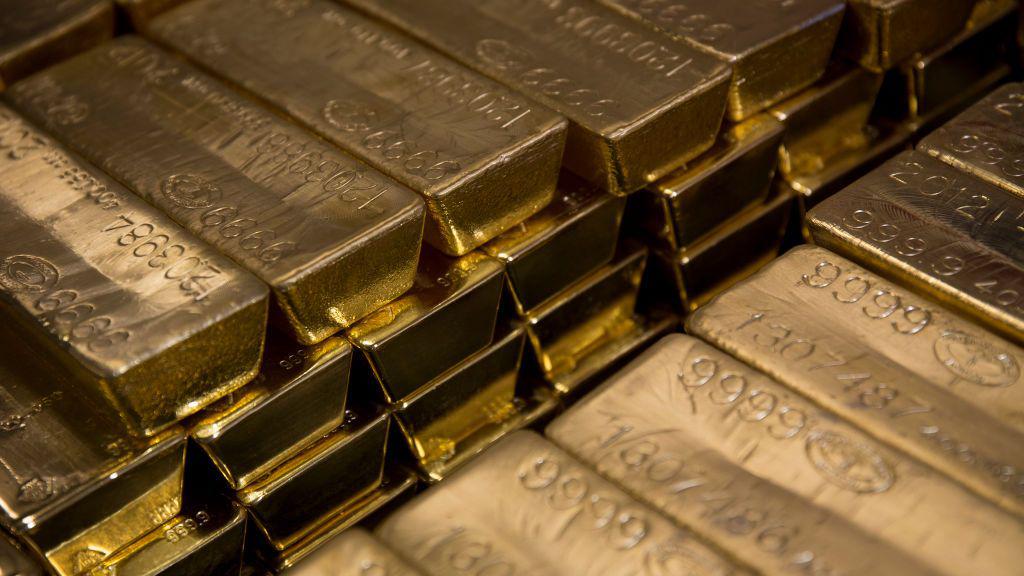
Switzerland is one of the world’s most established centres for precious metals refining, bullion trading, and gold-related financial services. International buyers looking to buy gold from Switzerland may find opportunities in investment-grade bullion, refined gold bars, and other precious metal products offered through established dealers and financial institutions.
However, purchasing gold from Switzerland requires more than comparing prices. Buyers should understand the type of gold available, purity standards, supplier credentials, payment terms, and the documentation needed for international transportation and customs clearance.
Whether you are an individual investor, a jewellery manufacturer, a bullion dealer, or a commercial buyer, this guide explains the key considerations when purchasing gold from Switzerland.
Why Buy Gold From Switzerland?
Switzerland has an established reputation in the international gold market because of its precious metals refining industry, financial infrastructure, and role in the global bullion supply chain.
Buyers may consider Switzerland for several reasons:
- Established refining industry: Switzerland has a significant role in refining and processing precious metals for international markets.
- Bullion market expertise: The country has an established network of precious metals dealers and financial service providers.
- Quality verification: Buyers can request documentation showing the stated fineness, weight, refiner, and specifications of the gold.
- International trading infrastructure: Established logistics and financial services can support legitimate cross-border bullion transactions.
- Recognised market standards: Investment-grade bullion may be traded according to recognised industry specifications, depending on the producer and product.
Switzerland’s reputation does not automatically guarantee the authenticity of every offer. Buyers should independently verify the seller, the gold, and the transaction documents before making payment.
What Types of Gold Can You Buy From Switzerland?
The right gold product depends on your investment objectives, commercial requirements, and intended use.
- Investment Gold Bars: Gold bars are a common choice for investors and commercial buyers seeking gold measured by weight and fineness. Products may include smaller bars for individual investors and larger bars intended for professional bullion markets. Before purchasing, confirm the bar’s exact weight, fineness, refiner or manufacturer, serial number where applicable, and accompanying documentation.
- Large Gold Bullion Bars: Institutional investors, bullion dealers, and eligible commercial buyers may seek larger bars for wholesale transactions. These purchases typically require more extensive verification, including confirmation of the seller’s authority to sell, the location of the gold, and the procedures for inspection, settlement, and delivery. Availability and minimum purchase quantities vary by seller.
- Gold Coins: Swiss and international dealers may offer investment coins produced by recognised mints. Buyers should distinguish bullion coins, whose prices generally track the underlying gold value plus a premium, from collectible coins whose prices may also depend on rarity and condition.
- Refined Gold for Commercial Use: Manufacturers, jewellers, and other industrial buyers may require gold of a specified purity and format. Before ordering, establish the required fineness, product dimensions, quantity, assay requirements, and delivery specifications.
Understanding Gold Purity and Fineness
Gold purity is a central consideration when comparing offers from Swiss suppliers. Fineness is commonly expressed in parts per thousand, while karats express purity out of 24 parts.
| Gold classification | Approximate purity |
|---|---|
| 24-karat gold | 99.9% or higher, depending on the product |
| 23-karat gold | 95.83% |
| 22-karat gold | 91.67% |
| 18-karat gold | 75.00% |
For investment bullion, a specification such as 999.9 fineness means that 999.9 parts out of every 1,000 are gold.
Do not rely solely on a seller’s description, photographs, or a certificate supplied without verification. Ask for appropriate assay documentation and establish whether independent testing is available through a qualified facility.
How to Verify Swiss Gold Suppliers
Supplier verification is essential, especially for wholesale purchases or transactions involving international delivery.
Confirm the Company’s Legal Identity
Obtain the supplier’s full legal name, registered business address, company registration details, and authorised representative’s information. Where applicable, check the company through Switzerland’s official commercial register and verify that the individual negotiating the transaction is authorised to act for it.
Check Relevant Precious Metals Authorisations
Swiss law regulates particular activities involving precious metals. Certain activities, including commercial purchases of old precious metals for melting and the production or testing of melting products, require relevant authorisation. Trading in banking precious metals may also be subject to licensing requirements.
The exact requirements depend on the activity and the type of gold involved. Review the official guidance from the Swiss Federal Office for Customs and Border Security rather than assuming every gold seller is subject to the same licence.
Verify the Gold and Its Documentation
Request documents appropriate to the product and transaction, which may include:
- Commercial invoice and detailed product description.
- Bar list or packing list showing weights and identifying marks, where applicable.
- Assay certificate or refinery documentation.
- Evidence of ownership or authority to sell.
- Origin and responsible-sourcing documentation, where applicable.
- Export and transport documents required for the shipment.
Verify important documents with their purported issuers whenever possible. A document’s appearance alone does not establish its authenticity.
Establish a Secure Inspection and Payment Process
Agree in writing on where the gold will be inspected, who will conduct any independent assay, when payment becomes due, and how delivery will be completed.
For high-value transactions, consider professional legal, banking, insurance, and logistics support. Avoid making irreversible payments solely on the strength of photographs, videos, or unverified documents.
Swiss Gold Hallmarks and Quality Standards
Switzerland maintains a precious metals control framework that governs the marking and verification of precious metal articles. Depending on the product, markings may identify fineness and the responsible business or manufacturer.
The Swiss Precious Metals Control authority explains that precious metal articles placed on the Swiss market are generally required to carry a legal fineness mark and a registered responsibility mark. Special rules apply to certain products, including precious metal watch cases.
Official controls and hallmarking can help establish compliance with applicable standards, but buyers must still check that the markings and supporting records correspond to the actual product.
For further information, consult the official Swiss guidance on precious metals and goods traffic.
How Gold Prices Are Determined in Switzerland
Gold prices in Switzerland are influenced by international bullion prices, currency exchange rates, product premiums, refining costs, and the terms offered by individual sellers.
A buyer should request a written quotation that explains the price calculation instead of relying on a single advertised price.
A simplified calculation is:
Total purchase cost = Gold value + seller premium + applicable fees + transport and insurance + taxes or import charges, where applicable.
For example, if the agreed gold value is calculated using a benchmark price per kilogram, the quotation should identify the benchmark or pricing method, the applicable currency, the weight, and the premium charged by the seller.
Ask whether the price is fixed at the time of the order or calculated at settlement. For large transactions, clarify how changes in the market price or exchange rate will be handled.
Buying Gold From Switzerland for International Delivery
International buyers should plan delivery and customs requirements before finalising a purchase. A transaction that is straightforward within Switzerland may require additional documentation when gold is transported to another country.
Confirm Export Requirements
Determine which export declarations, commercial documents, and other formalities apply to the specific product. Swiss precious metals rules include requirements for certain articles to be declared on export and reported to the relevant assay office.
The applicable procedure can depend on whether the shipment consists of bullion, jewellery, raw material, melting products, or another precious metal article.
Check the Destination Country’s Import Rules
The destination country may require an import permit, customs declaration, tax payment, proof of origin, or other documentation. Requirements vary by jurisdiction and product type.
Buyers importing gold into countries such as Uganda should confirm the current requirements with the relevant customs and regulatory authorities before arranging shipment.
Arrange Insured and Documented Transport
High-value gold shipments require appropriate security and insurance arrangements. Agree on the carrier, insurance coverage, delivery location, responsibility for customs clearance, and the point at which ownership and risk transfer to the buyer.
For commercial transactions, ensure the transport and payment arrangements are consistent with the written sales agreement.
Common Risks When Buying Gold From Switzerland
Although Switzerland has a well-established precious metals industry, individual transactions can still carry risks.
Counterfeit gold: A bar’s appearance or packaging does not prove its purity. Use appropriate verification procedures.
False supplier claims: Fraudulent sellers may misuse the names of legitimate refiners, dealers, or financial institutions. Verify the company and its authority independently.
Unclear pricing: A quoted price may exclude premiums, assay fees, insurance, shipping, or import charges. Request a complete cost breakdown.
Unverified ownership or origin: Ensure that the seller has the right to transfer the gold and that the transaction has appropriate supporting documentation.
Unsafe payment terms: Be cautious of pressure to pay immediately, unexplained third-party bank accounts, or promises of guaranteed returns.
Incomplete delivery arrangements: Agree on inspection, settlement, shipment, and customs responsibilities before committing funds.
How Cubo Gold Mines Supports Gold Buyers
Cubo Gold Mines provides information for individuals and businesses researching gold purchasing, precious metals, and the international gold market.
Buyers considering a transaction involving Switzerland should first define their required product, purity, quantity, budget, and destination. They should then independently verify prospective suppliers, review the relevant documentation, and establish suitable inspection, payment, and delivery arrangements.
Any proposed transaction should be assessed according to its actual terms and verified documentation. Buyers should confirm product availability, commercial arrangements, and applicable regulatory requirements directly with the relevant parties rather than assuming that a particular product or service is available.
Frequently Asked Questions About Buying Gold From Switzerland
- Is Switzerland a good place to buy gold? Switzerland is an established precious metals refining and trading centre. Whether it is the right place to purchase gold depends on the product, seller, price, verification arrangements, and total cost of delivery to the buyer.
- Can international buyers purchase gold from Switzerland? International buyers may purchase gold from Swiss suppliers, subject to the seller’s terms and applicable legal requirements. Buyers should verify export formalities in Switzerland and import requirements in the destination country before proceeding.
- What purity of gold is available in Switzerland? Products vary by supplier and intended use. Investment bullion may be offered at high fineness levels, including 999.9, while jewellery and other products may have lower purity specifications. Always confirm the exact fineness of the product being purchased.
- How can I verify the authenticity of Swiss gold? Request appropriate assay and product documentation, check identifying marks and serial numbers where applicable, and arrange independent testing when necessary. Verify the seller’s identity and confirm documents with their issuers where possible.
- Does Swiss gold always come with an official hallmark? Not every product is subject to identical hallmarking requirements. Swiss rules distinguish between different types of precious metal articles, and official hallmarking is compulsory for certain items, including precious metal watch cases. Buyers should confirm which rules apply to their specific product.
- Can I buy gold from Switzerland and import it into Uganda? Potentially, subject to the applicable requirements. Before purchasing, confirm the Swiss export procedure, Ugandan import and customs requirements, any required permits or declarations, and the arrangements for insured transport.
- What documents should I request when buying gold? Depending on the transaction, relevant documents may include a commercial invoice, product or bar list, assay certificate, proof of ownership or authority to sell, origin documentation, and required export and shipping records.
- Is Swiss gold cheaper than gold from other countries? Not necessarily. The final cost depends on the underlying gold price, seller premium, product specifications, transaction fees, transport, insurance, currency conversion, and applicable taxes or customs charges. Compare the full delivered cost rather than the advertised price alone.
Conclusion: Making an Informed Gold Purchase in Switzerland
Buying gold from Switzerland can offer access to an established international precious metals market, but a successful purchase depends on careful verification and clear commercial arrangements.
Before committing to a transaction, confirm the supplier’s identity, verify the gold’s purity and documentation, understand the complete price, and establish a secure process for payment and delivery. International buyers should also check all relevant export and import requirements before arranging transportation.
By taking these steps, buyers can make better-informed decisions when evaluating Swiss gold suppliers and comparing opportunities in the global bullion market.
For more information about gold purchasing and precious metals, explore the resources available on Cubo Gold Mines.
Leave a Reply